

On Jan. 18, a People’s March took place in Washington to protest Donald Trump ahead of the start of his second term. Tens of thousands of people showed up, but it was hard not to notice the contrast with the 2017 Women’s March after Trump’s first inauguration, when millions of Americans took to the streets in the largest single-day protest in U.S. history. While the new administration has already shown that it poses a far greater threat to U.S. democracy than Trump’s first presidency, it is unclear what shape any possible opposition movement will take this time around.
In this moment of uncertainty, it’s worth turning to two historical analyses of protest movements published in recent years—one lamenting their widespread failures and political defeats, the other celebrating long-term cultural transformations—to understand the barriers to effective protest today, as well as the possibilities that resistance might still hold for societal change.
Related
If We Burn: The Mass Protest Decade and the Missing Revolution
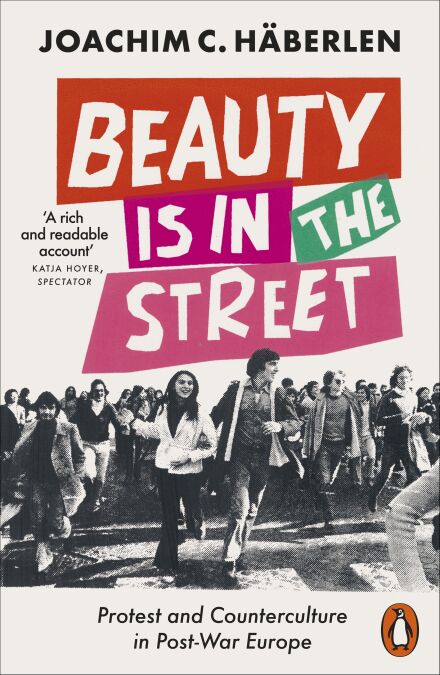
Beauty is in the Street — the birth of Europe’s postwar counterculture Joachim C Häberlen takes a microscopic look at protest movements on the continent, from strikers and students to radicals and racists
FT