Azerbaijan’s Pressure on Nagorno-Karabakh: What to Know
Azerbaijan appears to have eased a blockade that had cut off food and medical supplies to the ethnic Armenian enclave of Nagorno-Karabakh, but there are still heightened concerns about conditions fac…
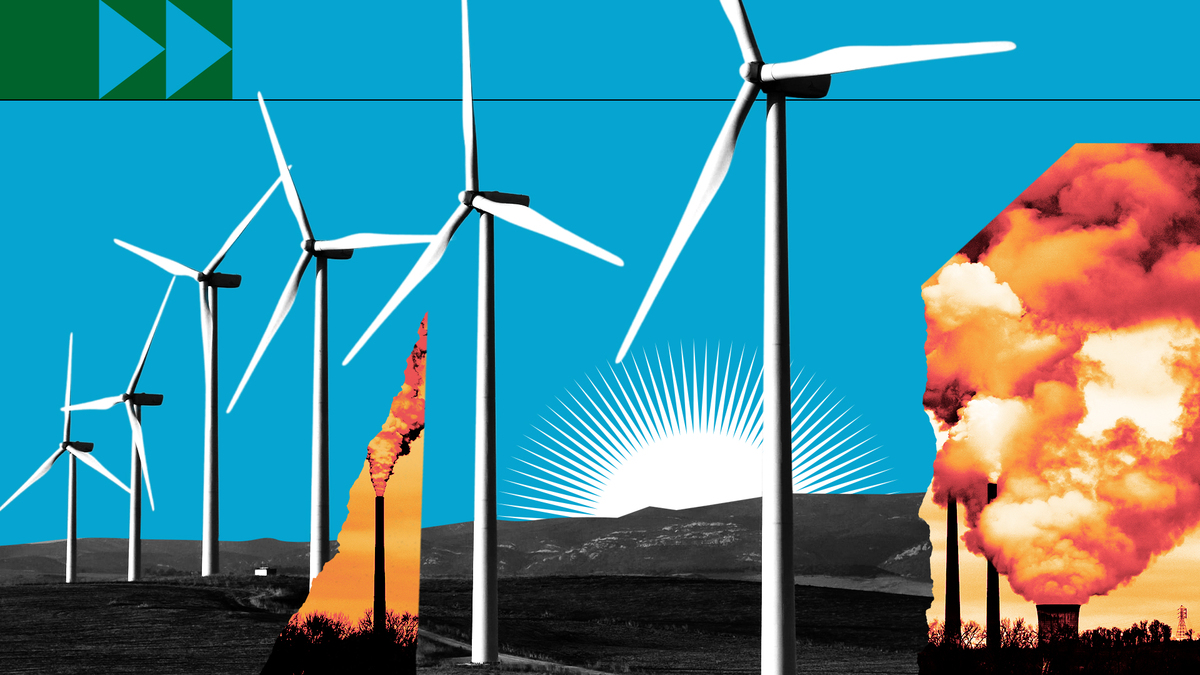
Countries have debated how to combat climate change since the early 1990s. These negotiations have produced several important accords, including the Kyoto Protocol and the Paris Agreement.
Governments generally agree on the science behind climate change but have diverged on who is most responsible, how to track emissions-reduction goals, and whether to compensate harder-hit countries.
Experts say governments need to move much more quickly to prevent the global average temperature from rising by 1.5°C. When that happens, the world will suffer devastating consequences, such as heat waves and floods.
Introduction
Over the last several decades, governments have collectively pledged to slow global warming. But despite intensified diplomacy, the world is already facing the consequences of climate change, and it is expected to get worse.
Through the Kyoto Protocol and the Paris Agreement, countries agreed to reduce greenhouse gas emissions, but the amount of carbon dioxide in the atmosphere keeps rising, heating the Earth at an alarming rate. Scientists warn that if this warming continues unabated, it could bring environmental catastrophe to much of the world, including staggering sea-level rise, record-breaking droughts and floods, and widespread species loss.
This graph tells a lot. At the beginning of the transition 30 years ago, Russians were richer than people in all newly-market East and North European countries. Now, they are poorer, on average, than all of them. For two major reasons: first, the depth of the 1990s crisis, and, no less important, second, the failure to grow after 2009. Putin first failed economic development, then started a war.
French photographer Roland Neveu has spent five decades covering Southeast Asia, the Middle East, and Europe. His work also took him from South America to Africa and Hollywood, where he shot stills during film productions for Oliver Stone, Brian de Palma, and Ridley Scott.
His world had changed dramatically during his university days in Paris of the 1970s when student protests interrupted Neveu’s studies. He picked up the camera to “capture the moment” then headed for Thailand and eventually Cambodia.
As a young photojournalist, he was among the handful of reporters who remained in Phnom Penh in 1975 when the Khmer Rouge marched in, heralding one of the great tragedies of the 20th century.
Over the next two decades he covered the Soviet occupation of Afghanistan, the siege of Beirut, bloody feuds in El Salvador, civil war in the Philippines and the people’s power revolution that ousted President Ferdinand Marcos.
Later he moved to Bangkok and launched a small publishing company dedicated to publishing books about Laos, Cambodia, and Thailand, including his own works.
They included “Cambodia, Years of Turmoil,” which focused on over 35 years of coverage of Cambodia, and “The Fall of Phnom Penh.” Neveu still covers major events in the region.
Neveu spoke with The Diplomat’s Luke Hunt in Bangkok about his career, working with photographers like Don McCullin, Tim Page, and James Nachtwey, and why Cambodia remains close to his heart.
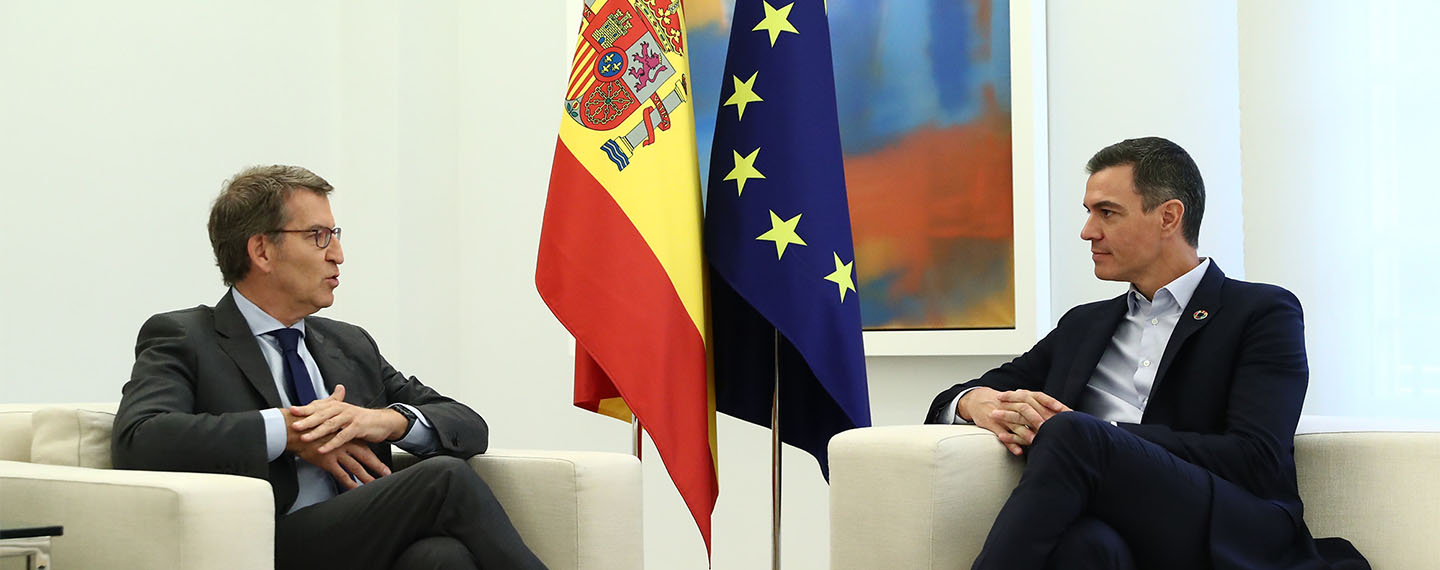
Two months after July’s snap and inconclusive general election, there are no signs of a new government. The Popular Party (PP), which won the most seats in parliament (137 out of 350), will have the first stab on 27 September when an absolute majority is required at the first investiture vote and a simple majority at the second on the 29th. The support of the hard-right VOX (33 MPs) and two small parties gives the PP 172 votes, which is not enough to get it over the line (176) unless it has other backing or, in the second vote, abstentions, both of which are highly unlikely, barring last minute surprises (see Figure 1).
Figure 1. Results of general elections, July 2023 and November 2019 (seats, millions of votes and % of total votes)