Hablemos de Derecho Internacional (HDI)
#74: Prof. Antonio Remiro Brotóns – Ucrania: Epítome del Desorden Internacional#74: Prof. Antonio Remiro Brotóns – Ucrania: Epítome del Desorden Internacional
00:17:24|01:06:18

18 septiembre, 2022
por Felipe Sahagún
Sin comentarios
18 septiembre, 2022
por Felipe Sahagún
Sin comentarios
18 septiembre, 2022
por Felipe Sahagún
Sin comentarios

Ukraine’s government said this week that its forces had reclaimed significant swathes of the country’s Kharkiv region from Russian troops. Filmed on the ground in Kharkiv during the early months of the war, our August documentary Ukraine: Life Under Russia’s Attack chronicled the experiences of residents living through the battle for their city: civilians caught in the shelling; first responders risking their own lives; and families trying to survive underground.
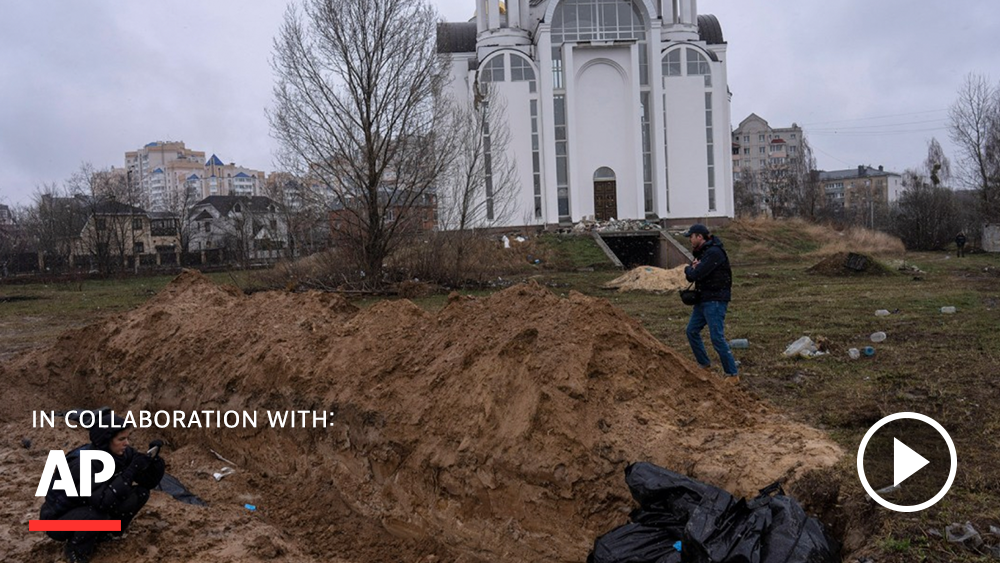
The Associated Press and FRONTLINE have verified 430 potential war crimes since Russia invaded Ukraine, including direct attacks on civilians and sites protected under international humanitarian law.
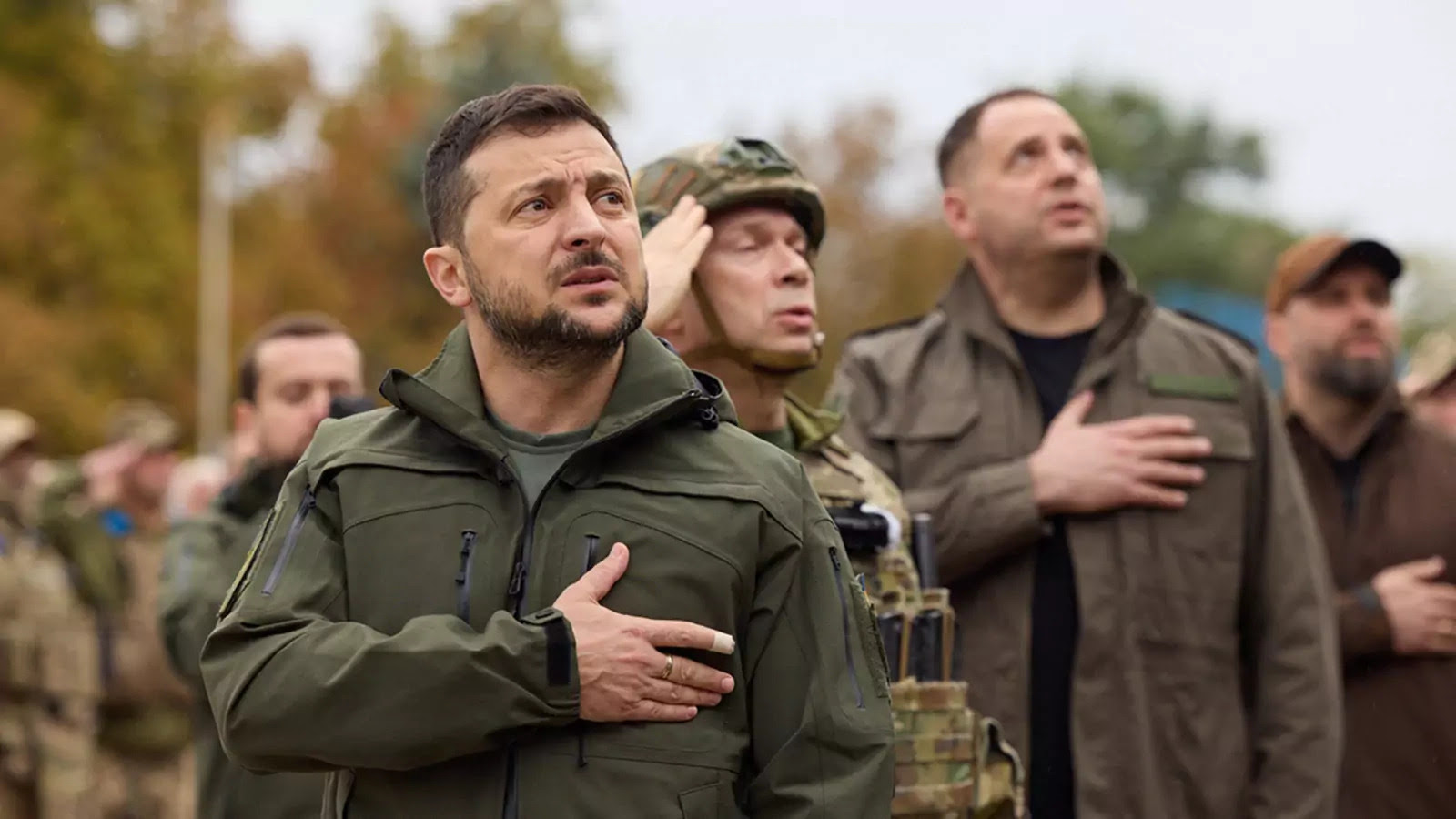
Ukraine’s Winter of Decision (Richard Haass, CFR)
On this episode of The President’s Inbox podcast, Max Boot, the Jeane J. Kirkpatrick senior fellow in national security studies at CFR and a Washington Post columnist, sits down with James M. Lindsay to discuss the success of Ukraine’s recent military counteroffensive and how Russia is likely to respond.
17 septiembre, 2022
por Felipe Sahagún
Sin comentarios
In this installment of the Why We Fight propaganda film series, we see the events of Nazi Germany’s diplomatic and military acts of international aggression. One by one, we learn of the Nazi’s consistently underhanded and relenting violation of every promise of peace and exploitation of their foes’s attempts of appeasement until the invasion of Poland September of 1939 which led to Britain and France finally taking an armed stand against Hitler. The Nazis Strike was the second film of Frank Capra’s Why We Fight propaganda film series, and was released in 1943.
This film is part of the Periscope Film LLC archive, one of the largest historic military, transportation, and aviation stock footage collections in the USA. Entirely film backed, this material is available for licensing in 24p HD. For more information visit http://www.PeriscopeFilm.com
.Part 4 of the Why We Fight series by Frank Capra, The Battle of Britain uses exclusive army footage and captured Nazi film to portray the indomitable spirit of the heroic Londoners during the six-week blitz by the Luftwaffe, and to outline Adolf Hitler’s six-point plan to annihilate the English.
This film is part of the Periscope Film LLC archive, one of the largest historic military, transportation, and aviation stock footage collections in the USA. Entirely film backed, this material is available for licensing in 24p HD. For more information visit http://www.PeriscopeFilm.com
Part 5 of the Why We Fight series by Frank Capra, The Battle of Russia is the longest film of the series. The film begins with an overview of previous failed attempts to conquer Russia: by the Teutonic Knights in 1242 (footage from Sergei Eisenstein’s film Alexander Nevsky is used here), by Charles XII of Sweden in 1704 (footage from Vladimir Petrov’s film Peter the First), by Napoleon I in 1812, and by Germany in World War I.
The vast natural resources of the Soviet Union are then described, showing why the land is such a hot prize for conquerors. To give a positive impression of the Soviet Union to the American audience, the country’s ethnic diversity is covered in detail. Later on, elements of Russian culture familiar to Americans, including the musical compositions of Tchaikovsky and Leo Tolstoy’s book War and Peace are also mentioned. Communism is never mentioned at any point in the film. The start of the film also includes a quote from U.S. Gen. Douglas MacArthur, who commended the Russian people’s defense of their nation as one of the most courageous feats in military history.
The film then covers the Nazi conquests in the Balkans, described as a preliminary to close off possible Allied counter-invasion routes, before the war against Russia was launched on June 22, 1941. The narration describes the German «keil und kessel» tactics for offensive warfare, and the Soviet «»defense in depth»» used to counter this. The scorched earth Soviet tactics, the room-to-room urban warfare in Soviet cities, and the guerilla warfare behind enemy lines are also used to underline the Soviet resolve for victory against the Nazis.
This film is part of the Periscope Film LLC archive, one of the largest historic military, transportation, and aviation stock footage collections in the USA. Entirely film backed, this material is available for licensing in 24p HD. For more information visit http://www.PeriscopeFilm.com
Why We Fight (en español: Por qué luchamos) es una serie de siete documentales de propaganda encargados por el gobierno de Estados Unidos durante la Segunda Guerra Mundial para demostrar a los soldados estadounidenses la razón de la participación de este país en la guerra. Poco después, también se le mostró a la población civil para convencerlos que debían apoyar la intervención estadounidense en la guerra. Fueron realizadas de 1942 a 1945, los siete documentales duran entre 40 a 76 minutos y están disponibles en DVD o para verlos en Internet.
16 septiembre, 2022
por Felipe Sahagún
Sin comentarios

In just the past week, Ukraine’s military has liberated some 2,400 square miles of territory captured by Russian forces since the war began in February. These gains—the most tangible turning point in the war so far—are in part due to prolific support from NATO, the military alliance between 28 European countries plus Canada and the United States. NATO’s support, however, raises several questions. How long can these 30 democracies—each with their own internal domestic concerns and economic pressures—continue to arm and assist Ukraine? How can NATO continue to repel Russian cyberattacks and other threats? And in the longer term, in light of the meeting this week between Russian President Vladimir Putin and Chinese President Xi Jinping, how does NATO prepare for a growing challenge from Beijing? Jens Stoltenberg, NATO’s secretary-general, joined FP’s Ravi Agrawal on FP Live to answer these questions along with many others.
16 septiembre, 2022
por Felipe Sahagún
Sin comentarios