Relaciones Internacionales – Comunicación Internacional

27 marzo, 2022
por Felipe Sahagún
Sin comentarios

Ukranians’ use of social media as a weapon

Empty strollers were placed in Lviv, Ukraine, last week to represent the children who had been killed during Russia’s invasion.

Empty strollers were placed in Lviv, Ukraine, last week to represent the children who had been killed during Russia’s invasion.Credit…Mykola Tys/EPA, via Shutterstock v @nytimes

THE NEW YORK TIMES

March 25, 2022

KRAKOW, Poland — A peace activist in the western Ukrainian city of Lviv rolled 109 baby strollers into a square last week to represent the children who had been killed in the war with Russia. Hours later, the image was available to millions on their phones.

A little girl sheltering in a basement in Kyiv sang a haunting rendition of “Let it Go,” from the movie “Frozen,” and the clip sped around the world. A cellist performed a somber Bach suite on a street in Kharkiv, with debris and the windowless facade of a damaged building serving as his backdrop, and thousands watched.

These heart-wrenching glimpses of life in Ukraine since the Russian invasion have become powerful ammunition in an information war playing out on social media. For some, the messaging has become a crucial battleground complementing the Ukrainian military’s performance on the physical front lines, as images and information ripple out on Instagram, Facebook, Telegram and TikTok.

“We are experiencing the war very viscerally through social media feeds,” said Emerson Brooking, a resident senior fellow at the Atlantic Council, a Washington-based international-affairs think tank. “The transformation of Ukraine into a nation at war is just stark. And so it has especially resonated with Western audiences.”

Social media has long been a place where activists organize and share news, as well as a place to recruit fighters or seed disinformation. But in this battle, the proliferation of pictures showing the human toll of the war has helped Ukraine project an image of a country of stalwart survivors with the moral high ground, while casting Russia as a merciless aggressor — an impression reinforced by global condemnation and sanctions.

Mr. Brooking said that Ukraine had an additional advantage because Russia had not engaged in the same level of disinformation as it has in the past, in part because the government in Moscow has denied the extent of the war.

But Russian government accounts have actively questioned the veracity of verified Ukrainian civilian accounts appearing on social media.

Those efforts have only deepened Anastasiya Magerramova’s determination to show the world the devastation in Ukraine. Ms. Magerramova, 27, press secretary for the Okhmatdyt pediatric hospital in Kyiv, said she feels that she is fighting her own battle — a struggle for truth alongside the conflict among soldiers — as her compatriots take up arms.

…MORE


27 marzo, 2022
por Felipe Sahagún
Sin comentarios

El futuro de Europa (Ciclo de conferencias en 2021 en el CEU Real Instit Univ de Estudios Europeos)


Ante la situación actual de profundos cambios en la Unión Europea, el Real Instituto de Estudios Europeos de la Universidad CEU San Pablo puso en marcha, en el curso 2020-2021, el ciclo de conferencias «El futuro de Europa». Esta iniciativa busca contar con grandes expertos en asuntos europeos con el objetivo de que ofrezcan a la sociedad civil una visión acerca de la Unión Europea de cara a los próximos años. 

En este ciclo de conferencias, el Real Instituto pretende abordar los temás más candentes de la Unión y analizar hacia dónde va encaminado el proyecto europeo. Aquí puede ver las sesiones que se han organizado:


27 marzo, 2022
por Felipe Sahagún
Sin comentarios

The world’s happiest countries for 2022 (Finland ahead)


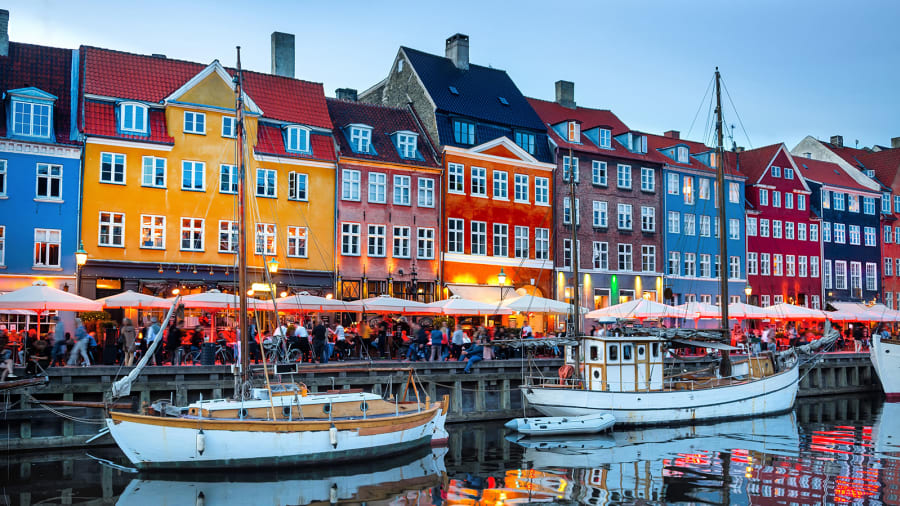
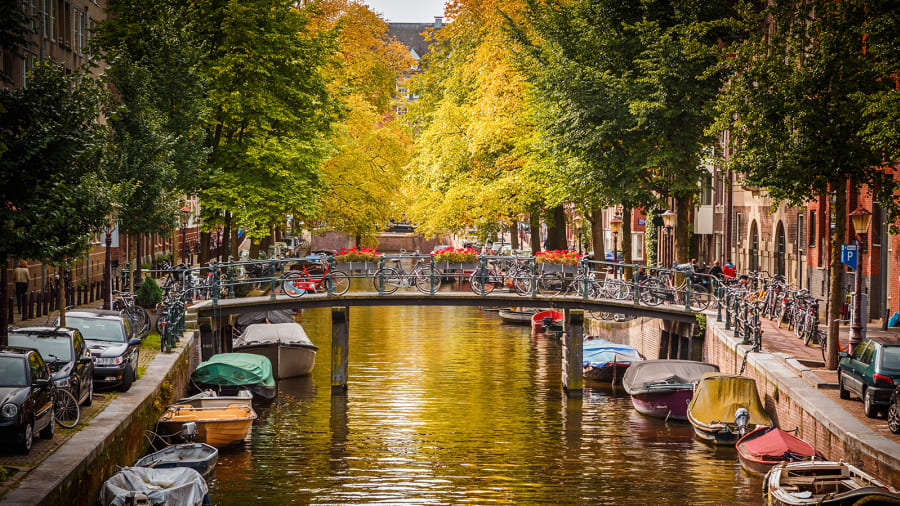
  • 0318 happiest countries 2022 Finland 01


  • 0318 happiest countries 2022 Denmark 02


  • 0318 happiest countries 2022 Iceland swap 03


  • 0318 happiest countries 2022 Switzerland swap 04


  • 0318 happiest countries 2022 Netherlands 05


  • 0318 happiest countries 2022 Luxembourg 06


  • 0318 happiest countries 2022Sweden 07


  • 0318 happiest countries 2022 Norway 08


  • 0318 happiest countries 2022 Israel 09


  • 0318 happiest countries 2022 New Zealand 10
 
(CNN) — Devastating loss of life and growing uncertainty have the world very much on edge, but there is a bit of good news for humanity: Benevolence is surging globally.
 
That’s one of the key findings of the World Happiness Report, a publication of the UN Sustainable Development Solutions Network that draws on global survey data from people in about 150 countries.
Marking its 10th anniversary, the report looks at happiness around the world — the happiest nations, those at the very bottom of the happiness scale and everything in between, plus the factors that tend to lead to greater happiness.
 
And with two years of Covid-19 pandemic data on the books, the report has uncovered something unexpected.
«The big surprise was that globally, in an uncoordinated way, there have been very large increases in all the three forms of benevolence that are asked about in the Gallup World Poll,» John Helliwell, one of the report’s three founding editors, told CNN Travel.
 
Donating to charity, helping a stranger and volunteering are all up, «especially the help to strangers in 2021, relative to either before the pandemic or 2020, by a very large amount in all regions of the world,» said Helliwell, who is a professor emeritus at the Vancouver School of Economics, University of British Columbia.
The global average of the three measures jumped by about 25% in 2021 compared with pre-pandemic levels, the report says.


27 marzo, 2022
por Felipe Sahagún
Sin comentarios

Russia Is Censoring News on the War in Ukraine (CFR)

A woman views a computer screen that shows a woman holding a "No War" poster and standing behind an anchorwoman at a news desk

March 18, 2022 11:55 am (EST)

A Kremlin crackdown on independent media is walling off Russians from the truth about the country’s widely condemned invasion of Ukraine, but Western-funded media outlets are ramping up efforts to circumvent censors.

Vladimir Putin’s government continues to call Russia’s February 24 invasion of Ukraine a “special military operation” and has instituted harsh punishments for media outlets that do not hew to the state line. However, some foreign-based media have bypassed Russian censorship in various ways, providing Russian citizens vital access to facts about the war. Continue leyendo →

27 marzo, 2022
por Felipe Sahagún
Sin comentarios

Luchando contra los bulos en la guerra de Ucrania (Reuters Inst)

Enlace

Bienvenido al boletín semanal en español del Instituto Reuters. Nuestra misión es explorar el futuro del periodismo a través de la investigación académica y el debate en el seno de la profesión.

En esta edición te ofrecemos un artículo sobre los verificadores de 70 países que combaten los bulos relacionados con la invasión de Rusia a Ucrania. Además, te presentamos los hallazgos de nuestro último informe sobre diversidad racial en el liderazgo de medios. También tenemos otras noticias de casa y ciertas cosas que hemos aprendido esta semana.

⏱ Este boletín tiene 1.208 palabras y leerlo lleva unos nueve minutos. Si aún no lo recibes, añade tu correo a nuestra lista en este enlace y por favor compártelo con tus colegas o con tus alumnos.


📌 Explora el Digital News Report 2021 aquí | Mira un resumen en video | Lee nuestra metodología | Descarga una versión en PDF

UNA ENTREVISTA
Verificadores de 70 países trabajan juntos para parar la desinformación sobre la guerra en Ucrania 

El tema. Clara Jiménez Cruz es la cofundadora de Maldita.es, un medio español que se dedica al chequeo de información. Mientras Putin invadía Ucrania, Clara y sus colegas crearon la base de datos Ukraine Facts para registrar y desmentir bulos sobre la guerra, y compartieron el trabajo con decenas de colegas de todo el mundo: el objetivo era armar un proyecto colaborativo, valorar narrativas emergentes y aprovechar recursos evitando duplicar tareas. 

La entrevista. Nuestro director editorial Eduardo Suárez dialogó con Clara sobre la iniciativa y los desafíos que enfrentan los verificadores que cubren el actual conflicto bélico. «Con el COVID-19 podían pasar semanas antes de que las afirmaciones falsas pasaran de un país a otro. Con esta guerra en Ucrania se hacen virales en distintas partes al mismo tiempo: a veces, la misma afirmación circula el mismo día en 17 países», dice Clara.

Lee el artículo

…more


26 marzo, 2022
por Felipe Sahagún
Sin comentarios

El nuevo Gran Juego (M. A. Bastenier, 18/3/2014)

Los países de Asia Central no pueden ver con entusiasmo cómo Rusia castiga a Ucrania

En la segunda mitad del XIX Gran Bretaña y Rusia se encontraron en su expansión imperiales en lo que hoy se conoce como Af-Pak, (Afganistán-Pakistán), por donde se abría al noroeste la India británica. El forcejeo diplomático y ocasionalmente militar, pero siempre por poderes, se llamó el Gran Juego. Fue una pequeña Guerra Fría avant la lettre. La disputa por Ucrania y dentro de ella, Crimea, es hoy otro Gran Juego en el que los actores son más de dos, como corresponde a un mundo multipolar. Continue leyendo →