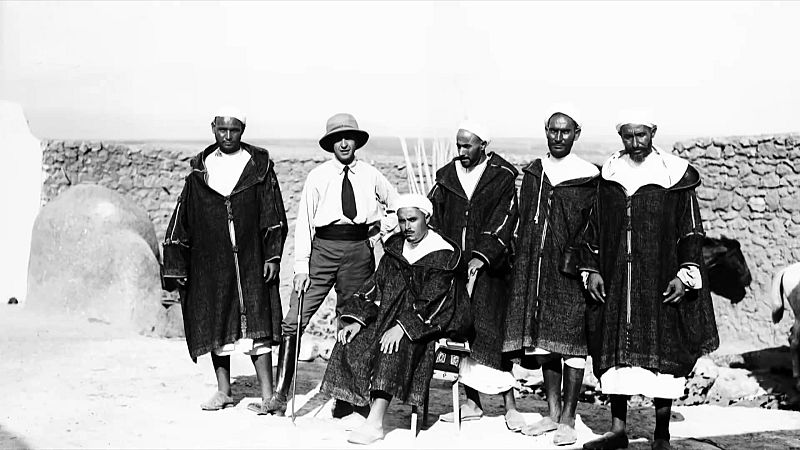
Qué estupendo elenco de aventureras ha recopilado
Echo en falta a Alexandra David-Neel o Annemarie Schwarzenbach y mi admirada @PatriciaAlmarce puede seguir la lista

10 agosto, 2021
por Felipe Sahagún
Sin comentarios
10 agosto, 2021
por Felipe Sahagún
Sin comentarios

The Sixth Assessment Report (AR6) from Working Group 1, released on 9 August, 2021

El ritmo de subida del nivel del mar a partir de 1901 ha sido más rápido que el registrado en cualquier siglo anterior
-Entre 1901 y 1971 ascendió una media de 1,3 mm/año
-Entre 1971 y 2006 pasó a 1,9 mm/año
-En el periodo de 2006-2018 ha aumentado hasta los 3,7 mm/año
RELATED
Four Key Takeaways From the IPCC Climate Report (Foreign Policy)
5 revelaciones del preocupante informe de la ONU sobre cambio climático
9 agosto, 2021
por Felipe Sahagún
Sin comentarios
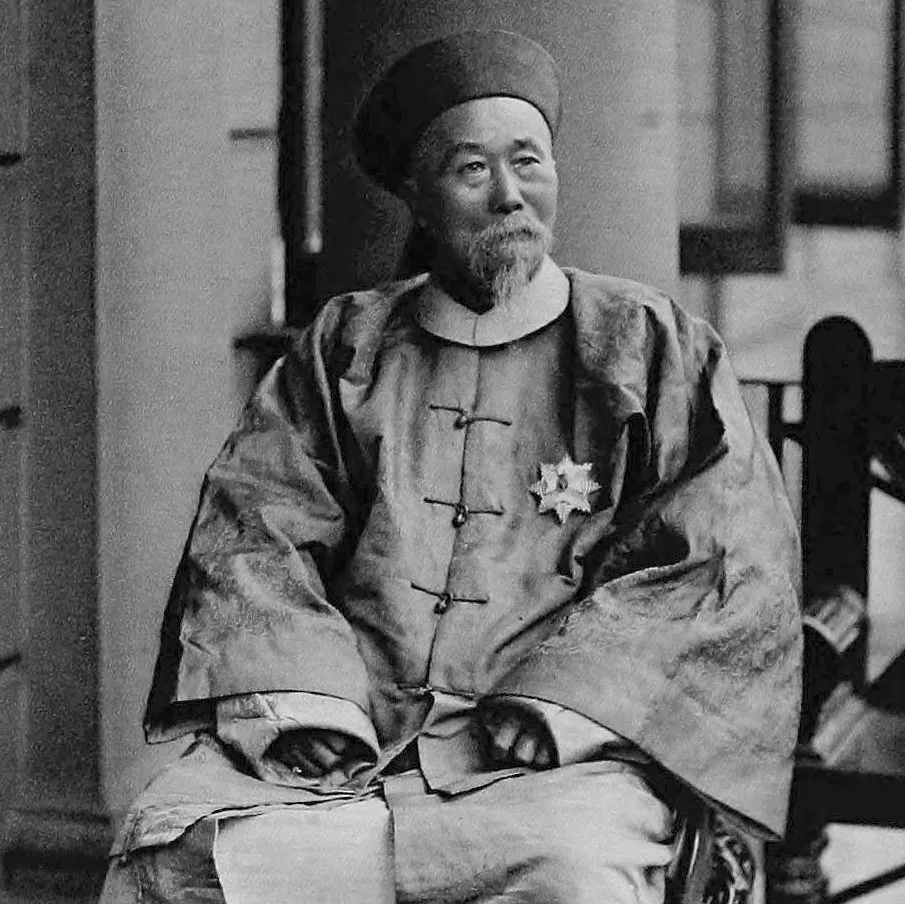
Left: Li Hongzhang, also romanised as Li Hung-chang, in 1896. Source: Alice E. Neve Little, Li Hung-Chang: His Life and Times (London: Cassell & Company, 1903).
Editor’s Note: The following is an excerpt from “The Long Game: China’s Grand Strategy to Displace American Order” by former Brookings Fellow Rush Doshi.
This introductory chapter summarizes the book’s argument. It explains that U.S.-China competition is over regional and global order, outlines what Chinese-led order might look like, explores why grand strategy matters and how to study it, and discusses competing views of whether China has a grand strategy. It argues that China has sought to displace America from regional and global order through three sequential “strategies of displacement” pursued at the military, political, and economic levels. The first of these strategies sought to blunt American order regionally, the second sought to build Chinese order regionally, and the third — a strategy of expansion — now seeks to do both globally. The introduction explains that shifts in China’s strategy are profoundly shaped by key events that change its perception of American power.
It was 1872, and Li Hongzhang was writing at a time of historic upheaval. A Qing Dynasty general and official who dedicated much of his life to reforming a dying empire, Li was often compared to his contemporary Otto von Bismarck, the architect of German unification and national power whose portrait Li was said to keep for inspiration.1
Like Bismarck, Li had military experience that he parlayed into considerable influence, including over foreign and military policy. He had been instrumental in putting down the fourteen-year Taiping rebellion—the bloodiest conflict of the entire nineteenth century—which had seen a millenarian Christian state rise from the growing vacuum of Qing authority to launch a civil war that claimed tens of millions of lives. This campaign against the rebels provided Li with an appreciation for Western weapons and technology, a fear of European and Japanese predations, a commitment to Chinese self-strengthening and modernization—and critically—the influence and prestige to do something about it.
8 agosto, 2021
por Felipe Sahagún
Sin comentarios
The Full Report: Beirut’s search for answers
We follow the investigations into the 2020 Beirut port blast and discover an underworld that could provide clues to this tragic mystery.
8 agosto, 2021
por Felipe Sahagún
Sin comentarios
Desigualdad y herencia colonial en América Latina
La inequidad y la falta de oportunidades son una plaga en muchos países latinoamericanos.
¿Cuánto pesan los lastres de otra época? ¿Y qué responsabilidad tienen las élites latinoamericanas?
Veámoslo en #ContextoDW pic.twitter.com/u4AtafaLeK
— DW Español (@dw_espanol) August 8, 2021
8 agosto, 2021
por Felipe Sahagún
Sin comentarios