Relaciones Internacionales – Comunicación Internacional

29 julio, 2021
por Felipe Sahagún
Sin comentarios

Mexico declares $3 billion U.S. security deal ‘dead,’ seeks revamp (W. Post)

Imagen

MEXICO CITY — Frustrated by raging violence, the Mexican government is seeking to overhaul the Merida Initiative, a $3 billion U.S. aid program that’s been the centerpiece of security cooperation between the two nations for more than a decade — but has failed to reduce bloodshed.

Mexican officials say they have been meeting with Biden administration officials since late spring to refocus their cooperation against drug cartels and other criminal groups, amid growing concerns that such gangs are expanding their control over Mexican territory.

“The Merida Initiative is dead. It doesn’t work, okay?” Mexican Foreign Minister Marcelo Ebrard told The Washington Post in the government’s first detailed comments on the discussions. “We are now in another era.”

Launched during the presidency of George W. Bush, the Merida Initiative initially provided hundreds of millions of dollars for aircraft, helicopters and other hardware for Mexico’s security forces. In recent years, the funding shifted to technical aid and training to strengthen Mexico’s police and justice system.

The plan represented a historic departure for Mexico, which had long been wary of allowing the United States to get too involved in its affairs.

But despite the billions of dollars in aid, there has been a “huge, huge increase in violence,” Ebrard noted. Homicides in Mexico have quadrupled since the initiative was announced in 2007. Drug overdose deaths in the United States, meanwhile, soared to a record 93,331 last year, fueled by the rising use of fentanyl, much of it smuggled across the southwest border.

“We haven’t reduced either trafficking or drug abuse,” Ebrard said. “So we have to do something else.”

He said Mexico’s priorities included a greater focus on reducing homicides, rather than capturing cartel kingpins; stepped-up efforts to seize chemicals used to make fentanyl and other drugs; and slashing the number of U.S. guns trafficked illegally over the border.

Mexican officials say they didn’t attempt to renegotiate Merida with the Trump administration because the sides had clear disagreements over security strategy. The divergence became especially obvious in 2019, they say, when then-President Donald Trump offered to send troops to Mexico to “wage WAR” on drug cartels after the massacre of nine people with dual U.S.-Mexican nationality.

The bilateral relationship under Trump was focused largely on illegal migration. The Biden administration is eager to “engender more robust cooperation” on security, according to a senior State Department official, who spoke on the condition of anonymity to discuss diplomacy. U.S. authorities have proposed a Cabinet-level meeting with their Mexican counterparts this fall to discuss a revamped Merida Initiative. “We do want to see this sooner rather than later,” the official said.

The talks come amid heightened tensions between the neighbors. Mexico’s Congress passed a law in December that curbed the ability of U.S. law enforcement agents to work in the country. That was in retaliation for the arrest in Los Angeles of a former Mexican defense minister, Salvador Cienfuegos, on drug-trafficking charges. The Justice Department subsequently dropped that case amid an outcry in Mexico and questions about the strength of the evidence.

…MORE

 Related


29 julio, 2021
por Felipe Sahagún
Sin comentarios

Índice Elcano de Presencia Global 2020

 
11ª edición del Índice Elcano de Presencia Global (resultados de 2020). Real Instituto Elcano
 
Real Instituto Elcano@rielcano
Nuestro Índice Elcano de #PresenciaGlobal calcula anualmente la proyección de 130 países fuera de sus fronteras. Se suman al Índice 10 países nuevos.
¡Ya puedes consultar el ranking 2020! blog.realinstitutoelcano.org/el-fin-del-mun


28 julio, 2021
por Felipe Sahagún
Sin comentarios

60th Monte-Carlo Television Festival

This anniversary will remain a unique moment in the hearts and minds of everyone involved. It was an event not to be missed! 
This Festival, more than any other, will go down in history.
The playlist of the Festival
 
 
And find all the videos of the Professional Programme #FestivalBizContent on our YouTube channel!


25 julio, 2021
por Felipe Sahagún
Sin comentarios

Foreign Policy’s favorite reads on the political stakes of the Olympics, from Ancient Greece to Tokyo

The Olympic Charter stresses the need for neutrality, prohibiting any “political, religious or racial propaganda,” but the Games have always been entangled with politics. This weekend, as competition begins, we’ve collected our favorite reads on the political stakes of the Olympics, from Ancient Greece to Tokyo.


The Olympic Spirit Is Unbridled, Rabid Nationalism The Games succeed because they indulge precisely what they claim to transcend—the world’s basest instinct for tribalism.
By David Clay Large


Suga’s Olympic-Sized Gamble Backed by the G-7, Japan’s prime minister will likely go ahead with the games. How they play out will determine his survival.
By Kazuhiro Maeshima


Beijing’s Olympics Paved the Way for Xinjiang’s Camps The 2008 games were supposed to help liberalize China. Instead the party learned it could get away with anything.
By Nithin Coca


Everything Bad About the Rio Olympics Was Much Worse in Ancient Greece Hygiene was a disaster, patriotism was out of control—and doping involved animal testicles and black magic.
By David Clay Large


Relocate the Olympics or Condone Genocide China is trying to use the 2022 Games to whitewash Xinjiang atrocities.
By Nury Turkel

Hear from female entrepreneurs around the world who are breaking down barriers and overcoming the challenges posed by COVID-19 in FP’s new podcast «The Hidden Economics of Remarkable Women,» or HERO. Hosted by journalist Reena Ninan, each episode contains expert insights alongside on-the-ground interviews—and examines ideas for empowering women to contribute to the global economic recovery. Listen here.


24 julio, 2021
por Felipe Sahagún
Sin comentarios

Climate change risks new violent conflict. How to respond?

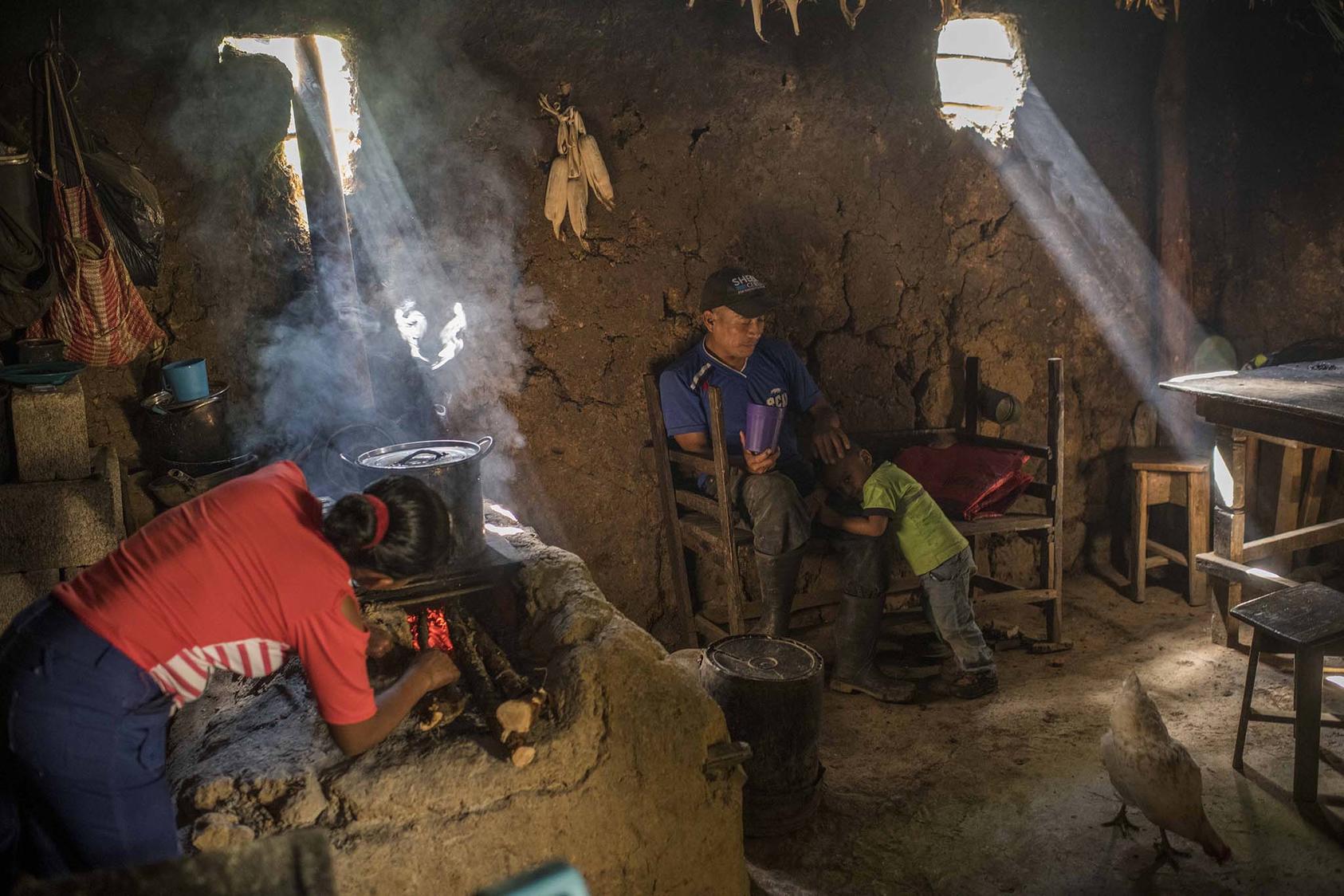
Eduardo Roque rests at home in Guatemala from trying to farm in Central America’s “Dry Corridor”—home to 11 million people across five nations. Extreme heat and drought are forcing families to migrate for survival. (Daniele Volpe/The New York Times)

duardo Roque rests at home in Guatemala from trying to farm in Central America’s “Dry Corridor” — home to 11 million people across five nations. Extreme heat and drought are forcing families to migrate for survival. (Daniele Volpe/The New York Times) via US Institute of Peace

Policies to counter fragility should target cities and strengthen regional organizations

Monday, July 19, 2021 / BY: Tegan Blaine

US Institute of Peace

As climate change amplifies weather disasters and destabilizes food and water supplies, recent research is confirming its effects on the global south: Our planet’s warming is weakening already fragile states, increasing the risk of violent conflicts and accelerating human displacement and migration. Like any global shock, it is putting poorer nations most at risk. The United States and the international community can counter these rising hazards by setting basic priorities in assistance programs. Among these are to target cities with a strategy that helps local populations adapt to climate change and manage conflicts nonviolently, and to strengthen regional organizations’ abilities to tackle fragility problems. Continue leyendo →

24 julio, 2021
por Felipe Sahagún
Sin comentarios

Javier Martín Domínguez, corresponsal en Nueva York

Carné prensa Javier Domínguez

Atalayar

Naciones Unidas, 75 años: el caso de la corbata prestada

Memorias de corresponsal
 

“Cuando mi madre visito el edificio de las Naciones Unidas se enteró de que estaba embarazada de mi; yo creo que por eso he salido tan viajera”. Las Naciones Unidas eran un tótem como edificio, con sus treinta y nueve pisos, y un faro inspirador de internacionalización para todo el mundo. Hasta el punto de que mi amiga la pintora norteamericana Eilleen Ahern lo tuviese idealizado así, y nos hiciese reír con su ocurrencia cosmopolita en los días que el mundo se volvía a apiñar en Nueva York en los años ochenta.

En mis años de corresponsal en la gran manzana, mas de una década, las Naciones Unidas, la ONU ocupaba un lugar preferente como centro de información y como pararrayos mundial. Las reuniones del Consejo de Seguridad, especialmente por asuntos del Oriente Medio, las tensiones ruso-americanas en la larga Guerra Fría y los casos de descolonización (incluidos Gibraltar y el Sáhara) así como las solemnes Asambleas Generales atendidas por los principales lideres del mundo- de Reagan a Gorbachov, Fidel Castro y el papa Juan Pablo II –nos daban para crónica segura. 

Nacida para consagrar el nuevo orden mundial nacido del resultado de la Segunda Guerra Mundial, su altiva estampa en la ladera este de Manhattan, junto al East River, confería a la organización un halo de poder, aunque mas bien lo era de observatorio del pulso internacional. Era como una trituradora o quizá como una aplanadora de las crisis.  El conflicto que entraba allí, bajaba de intensidad o se larvaba, aunque difícilmente se daba por resuelto o concluido. Para unos el paradigma de la diplomacia, para otros el túnel del tiempo perdido… De cualquier manera, todavía era un observatorio privilegiado en los cambiantes años ochenta. 

…MORE

Related

Luis, here’s Javier Martín-Domínguez’s new photo that he recently posted in Facebook

July 23 at 11:42 PM

📷 Javier Martín-Domínguez added a new photo.

View Photo