2 septiembre, 2020
por Felipe Sahagún
Sin comentarios

 Sep 1, 2020
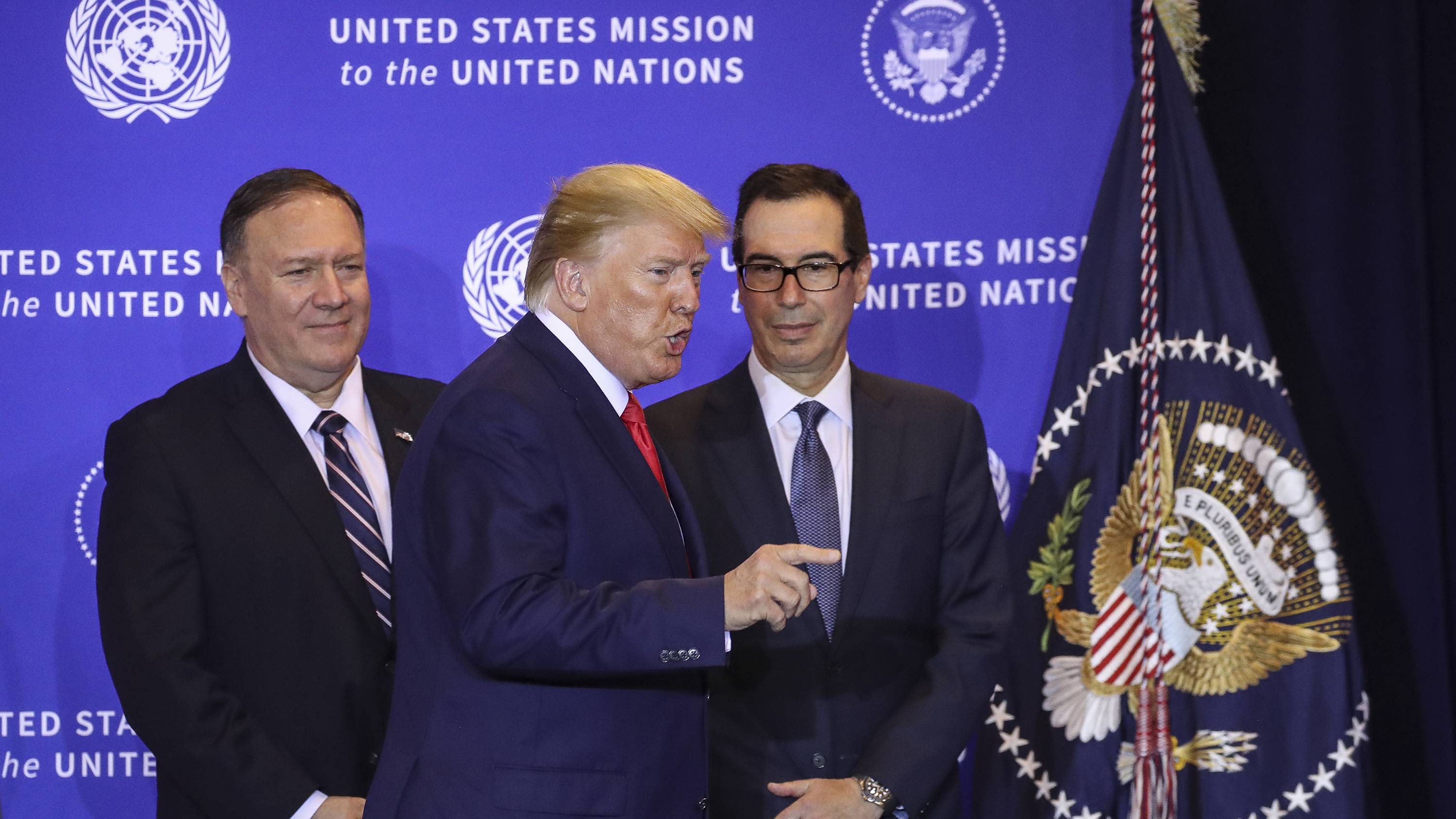
Will Donald Trump’s presidency mark a major turning point in world history, or was it a minor historical accident? Trump’s electoral appeal may turn on domestic politics, but his effect on world politics could be transformational, particularly if he gains a second term.
CAMBRIDGE – As the United States enters the home stretch of the 2020 presidential election campaign, and with neither party’s nominating convention featuring much discussion of foreign policy, the contest between President Donald Trump and Joe Biden apparently will be waged mainly on the battleground of domestic issues. In the long run, however, historians will ask whether Trump’s presidency was a major turning point in America’s role in the world, or just a minor historical accident.
At this stage, the answer is unknowable, because we do not know if Trump will be re-elected. My book Do Morals Matter? rates the 14 presidents since 1945 and gives Trump a formal grade of “incomplete,” but for now he ranks in the bottom quartile.
Top-quartile presidents like Franklin D. Roosevelt saw the mistakes of America’s isolationism in the 1930s and created a liberal international order after 1945. A turning point was Harry S. Truman’s post-war decisions that led to permanent alliances that have lasted to this day. The US invested heavily in the Marshall Plan in 1948, created NATO in 1949, and led a United Nations coalition that fought in Korea in 1950. In 1960, during the administration of Dwight D. Eisenhower, the US signed a new security treaty with Japan.
Over the years, Americans have had bitter divisions – among themselves and with other countries – over military intervention in developing countries like Vietnam and Iraq. But the liberal institutional order continued to enjoy broad support until the 2016 election, when Trump became the first nominee of a major party to attack it. Trump was also a skeptic about foreign intervention, and while he has increased the defense budget, he has used force relatively sparingly.
Trump’s anti-interventionism is relatively popular, but his narrow, transactional definition of US interests, and his skepticism about alliances and multilateral institutions, is not reflective of majority opinion. Since 1974, the Chicago Council on Global Affairs has asked the public whether America should take an active part or stay out of world affairs. Roughly a third of the American public has been consistently isolationist, reaching a high point of 41% in 2014. Contrary to conventional wisdom, however, 64% favored active involvement by the time of the 2016 election, and that number rose to a high of 70% by 2018.
Trump’s election and his populist appeal rested on the economic dislocations that were accentuated by the 2008 Great Recession, but even more on polarizing cultural changes related to race, the role of women, and gender identity. While he didn’t win the popular vote in 2016, Trump successfully linked white resentment over the increasing visibility and influence of racial and ethnic minorities to foreign policy by blaming economic insecurity and wage stagnation on bad trade deals and immigration. As president, however, according to former national security adviser John Bolton, Trump had little strategy, and his foreign policy was driven primarily by domestic politics and personal interests.
…MORE


 Sep 1, 2020


CAMBRIDGE – As the United States enters the home stretch of the 2020 presidential election campaign, and with neither party’s nominating convention featuring much discussion of foreign policy, the contest between President Donald Trump and Joe Biden apparently will be waged mainly on the battleground of domestic issues. In the long run, however, historians will ask whether Trump’s presidency was a major turning point in America’s role in the world, or just a minor historical accident.
At this stage, the answer is unknowable, because we do not know if Trump will be re-elected. My book Do Morals Matter? rates the 14 presidents since 1945 and gives Trump a formal grade of “incomplete,” but for now he ranks in the bottom quartile.
Top-quartile presidents like Franklin D. Roosevelt saw the mistakes of America’s isolationism in the 1930s and created a liberal international order after 1945. A turning point was Harry S. Truman’s post-war decisions that led to permanent alliances that have lasted to this day. The US invested heavily in the Marshall Plan in 1948, created NATO in 1949, and led a United Nations coalition that fought in Korea in 1950. In 1960, during the administration of Dwight D. Eisenhower, the US signed a new security treaty with Japan.
Over the years, Americans have had bitter divisions – among themselves and with other countries – over military intervention in developing countries like Vietnam and Iraq. But the liberal institutional order continued to enjoy broad support until the 2016 election, when Trump became the first nominee of a major party to attack it. Trump was also a skeptic about foreign intervention, and while he has increased the defense budget, he has used force relatively sparingly.
Trump’s anti-interventionism is relatively popular, but his narrow, transactional definition of US interests, and his skepticism about alliances and multilateral institutions, is not reflective of majority opinion. Since 1974, the Chicago Council on Global Affairs has asked the public whether America should take an active part or stay out of world affairs. Roughly a third of the American public has been consistently isolationist, reaching a high point of 41% in 2014. Contrary to conventional wisdom, however, 64% favored active involvement by the time of the 2016 election, and that number rose to a high of 70% by 2018.
Trump’s election and his populist appeal rested on the economic dislocations that were accentuated by the 2008 Great Recession, but even more on polarizing cultural changes related to race, the role of women, and gender identity. While he didn’t win the popular vote in 2016, Trump successfully linked white resentment over the increasing visibility and influence of racial and ethnic minorities to foreign policy by blaming economic insecurity and wage stagnation on bad trade deals and immigration. As president, however, according to former national security adviser John Bolton, Trump had little strategy, and his foreign policy was driven primarily by domestic politics and personal interests.
…MORE