
Manuel Muñiz, secretario de Estado de la España Global
Por qué (parte de) Europa ya no se fía de España (Pablo Suanzes, El Mundo, 20/7/2020) PDF
Related

16 julio, 2020
por Felipe Sahagún
Sin comentarios
Manuel Muñiz, secretario de Estado de la España Global
Por qué (parte de) Europa ya no se fía de España (Pablo Suanzes, El Mundo, 20/7/2020) PDF
Related
16 julio, 2020
por Felipe Sahagún
Sin comentarios
16 julio, 2020
por Felipe Sahagún
Sin comentarios

Underseas cables carry 95% of all international data, and Huawei is building or improving nearly 100 of them. China now controls 60% of the world’s fiber-optic communications market.
Por Jonathan E. Hillman (CSIS)
May 16, 2019
A version of this commentary was originally published at the Financial Times on May 15, 2019. It is reprinted here with permission.
Last week in London, U.S. Secretary of State Mike Pompeo warned against China’s global ambitions and suggested that Margaret Thatcher would not have allowed Huawei into Britain’s 5G networks. He could also point to Britain’s imperial past, which China is literally retracing today.
Even as Huawei faces resistance in Western airwaves, it is racing ahead under the world’s seas. Underseas cables carry 95 percent of all international data, and Huawei is building or improving nearly 100 of them. One flagship project is the Pakistan East Africa Cable Express, or PEACE, which is slated …
16 julio, 2020
por Felipe Sahagún
Sin comentarios
El momento más emotivo del homenaje de hoy en Madrid a las víctimas de #Covid19: youtu.be/dfguFK4EEKg v @YouTube
16 julio, 2020
por Felipe Sahagún
Sin comentarios
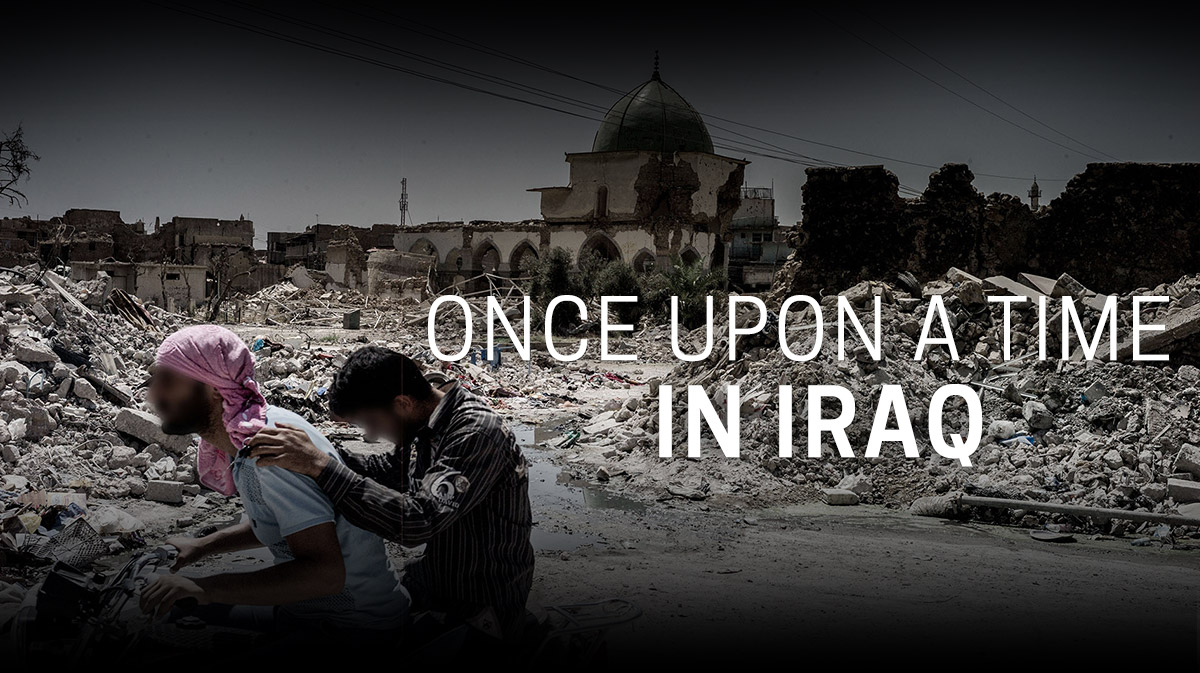
This is the story of the Iraq war, told by Iraqis who lived through it. They share their personal accounts and lasting memories of life under Saddam Hussein, the U.S.-led invasion of their country and the 17 years of chaos that followed — from the sectarian violence to the rise and brutal reign of ISIS.
For the people of Iraq, the fallout from the U.S.-led invasion in 2003 continues to this day, sometimes in unexpected — and violent — ways. That is the message that the Iraqis featured in FRONTLINE’s Once Upon a Time in Iraq emphasize time and again. The documentary recounts their stories of life under Saddam Hussein, the war, the occupation, and the years of chaos that followed — from sudden explosions during the days of sectarian violence, to mass killing under the brutal reign of ISIS.
Some of them shared what has happened in their lives and in Iraq since they filmed with FRONTLINE.
Watch 2019’s 10 Most-Streamed FRONTLINE Documentaries
15 julio, 2020
por Felipe Sahagún
Sin comentarios

THE ECONOMIST, July 15, 2020
HAVE YOU heard the news? It’s about the news. As correspondents covered the widespread protests on the streets of America in recent months, many were engaged in a parallel protest of their own—against their employers. On private Slack channels, public Twitter feeds and in op-ed columns, journalists revolted. Editors apologised, promised change and in some cases were sacked, their downfall promptly written up in their own papers.
The immediate cause of this rebellion is race: how it is reported and how it is represented among staff. More than 150 Wall Street Journal employees signed a letter saying that they “find the way we cover race to be problematic”. Over 500 at the Washington Post endorsed demands for “combating racism and discrimination” at the paper. Journalists at the New York Times tweeted that a senator’s op-ed advocating a show of military force to restore order “puts black @nytimes staff in danger”.

