The White House needs to answer coronavirus questions, not play musical chairs with CNN
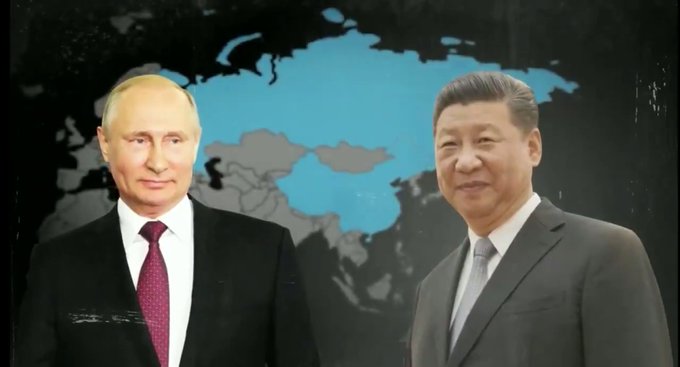
From an unnecessary trade war to an increasingly desperate coronavirus war, two angry countries are trapped in a blame game with no easy way out. Now more than ever, both sides need to contemplate the economic and geopolitical consequences of a full rupture.
NEW HAVEN – It didn’t have to end this way, but the die is now cast. After 48 years of painstaking progress, a major rupture of the US-China relationship is at hand. This is a tragic outcome for both sides – and for the world. From an unnecessary trade war to an increasingly desperate coronavirus war, two angry countries are trapped in a blame game with no easy way out.
A nationalistic American public is fed up with China. According to a new poll by the Pew Research Center, 66% of US citizens now view China in an unfavorable light – six points worse than last summer and the highest negative reading since Pew introduced this question some 15 years ago. While this shift was more evident for Republicans, those older than 50, and college graduates, unfavorable sentiment among Democrats, younger cohorts, and the less educated also hit record highs.
An equally nationalistic Chinese public is also irate at the United States. That is not just because President Donald Trump insisted on dubbing a global pandemic the “Chinese virus.” It is also because whispers turned into shouts linking the outbreak of COVID-19 to alleged suspicious activities at the Wuhan National Biosafety Laboratory.
…MORE
Related
Pandemic Diplomacy: The Gum On China’s Shoe – OpEd
The South China Sea: A Rash Of China Bashing Breaks Out During COVID 19 Pandemic – Analysis
China Should Do Everything In Its Power To Assist The US And The World – OpEd
China And US Soft Power Responses – Analysis
Analysts: U.S., China should tread carefully in case of North Korea collapse
The White House needs to answer coronavirus questions, not play musical chairs with CNN (Washington Post)