Relaciones Internacionales – Comunicación Internacional

18 agosto, 2019
por Felipe Sahagún
Sin comentarios
Anuario CIDOB 2019

Obra de referencia que ofrece, desde 1989, claves para interpretar la política exterior española y las relaciones internacionales. A través de varios artículos de prestigiosos académicos y policymakers, el anuario brinda un enfoque multidisciplinar y transversal que conjuga las cuestiones de política, economía y sociedad, primando más que nunca los contenidos visuales (infografías, mapas y gráficos), la identificación de los actores y los factores, y el análisis especializado de los expertos de CIDOB sobre cada una de sus regiones y áreas de investigación. Cada año, el apartado «perfil de país» examina en profundidad un país clave dentro de la escena internacional. 

LINK

Index


18 agosto, 2019
por Felipe Sahagún
Sin comentarios

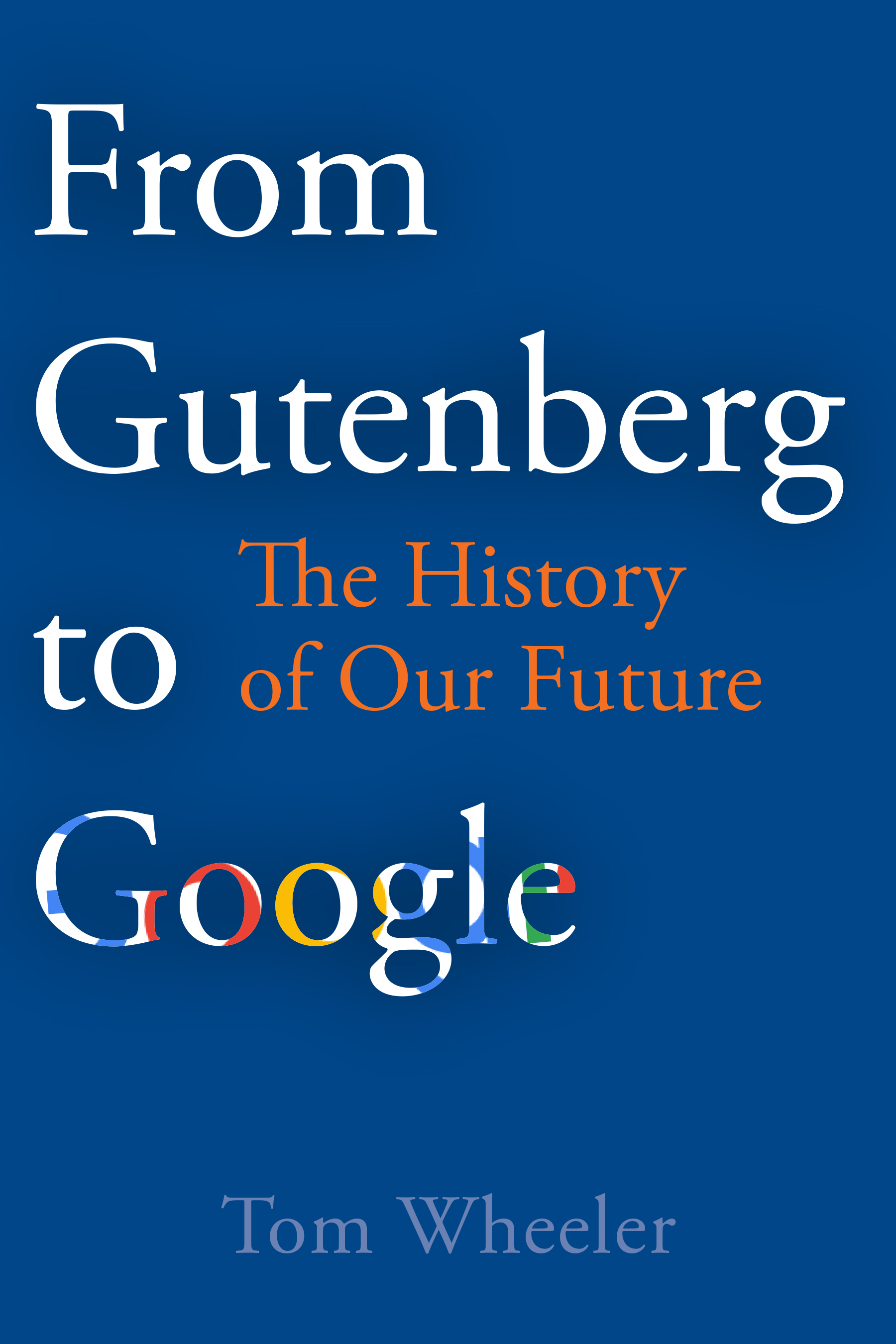
From Gutenberg to Google

From Gutenberg to Google

Network revolutions of the past have shaped the present and set the stage for the revolution we are experiencing today

In an era of seemingly instant change, it’s easy to think that today’s revolutions—in communications, business, and many areas of daily life—are unprecedented. Today’s changes may be new and may be happening faster than ever before. But our ancestors at times were just as bewildered by rapid upheavals in what we now call “networks”—the physical links that bind any society together.

In this fascinating book, former FCC chairman Tom Wheeler brings to life the two great network revolutions of the past and uses them to help put in perspective the confusion, uncertainty, and even excitement most people face today. The first big network revolution was the invention of movable-type printing in the fifteenth century. This book, its millions of predecessors, and even such broad trends as the Reformation, the Renaissance, and the multiple scientific revolutions of the past 500 years would not have been possible without that one invention. The second revolution came with the invention of the telegraph early in the nineteenth century. Never before had people been able to communicate over long distances faster than a horse could travel. Along with the development of the world’s first high-speed network—the railroad—the telegraph upended centuries of stability and literally redrew the map of the world.

Wheeler puts these past revolutions into the perspective of today, when rapid-fire changes in networking are upending the nature of work, personal privacy, education, the media, and nearly every other aspect of modern life. But he doesn’t leave it there. Outlining “What’s Next,” he describes how artificial intelligence, virtual reality, blockchain, and the need for cybersecurity are laying the foundation for a third network revolution.

Index

Chapter One


18 agosto, 2019
por Felipe Sahagún
Sin comentarios

Order from Chaos: Is the Afghanistan deal a good one?

Members of a Taliban delegation, led by chief negotiator Mullah Abdul Ghani Baradar (C, front), leave after peace talks with Afghan senior politicians in Moscow, Russia May 30, 2019. REUTERS/Evgenia Novozhenina - RC1C12362C10

Michael E. O’Hanlon

According to teases leaked by the American negotiating team, it appears that an interim Afghanistan peace deal may be in the works between Washington and the Taliban. Details are far from clear to date. But the main contours of any agreement seem to be a renouncing of extremists by the Taliban, the withdrawal of several thousand American and NATO troops, together with an indefinite ceasefire by all parties. If that is indeed the deal — it’s not yet clear if the ceasefire would happen early on, as it must for the idea to make any sense from a U.S. and Afghan government perspective — there may be promise to the concept, provided that not only the Taliban but the Pakistani government support it as well. These initial steps would be followed by negotiations between the Taliban and the Afghan government over some future type of power-sharing, after which the preponderance of the remaining U.S. and other foreign forces would leave the country as well. It is crucial that the remaining U.S. forces not withdraw until a power-sharing arrangement has been well-established. Continue leyendo →

17 agosto, 2019
por Felipe Sahagún
Sin comentarios

AN INTERVIEW WITH ROBERT JERVIS – REFLECTIONS ON POLITICAL SCIENCE, POLITICS, AND POLICY

AUGUST 12, 2019
 
In this episode of Horns of a Dilemma, chair of the Texas National Security Review Editorial Board Frank Gavin interviews political scientist Robert Jervis.  In a wide-ranging interview that reaches all the way back to Jervis’ undergraduate days at Oberlin College in the late 1950’s, Gavin explores the factors which shaped Jervis’ career, the state of the political science field today, especially as it relates to security studies, and how political scientists deal with challenges ranging from the expansiveness of their theoretical claims to balancing political considerations in policy-relevant work.  This interview was recorded during the University of Texas Clements Center’s Summer Seminar on History, Statecraft, and Diplomacy.