Hay cuatro revoluciones en marcha, estrechamente ligadas entre sí. Y casi todas, menos una, tienen costes importantes que habrá que asumir para gestionarlas, no digamos ya superarlas. De hecho, en parte esos costes ya se están pagando. Una es la revolución tecnológica. La segunda es el cambio geopolítico mundial sobre todo con el ascenso de China y las reticencias y resistencias que está provocando. La tercera es el cambio climático, y las medidas para frenarlo. Finalmente, está la revolución de la mujer y su lugar en la sociedad y en la economía. Continue leyendo →
At the beginning of the Peloponnesian war in 430BC, the Athenian general Pericles ordered his fellow citizens to retreat inside their harbour city to sit out a siege by the approaching Spartan army. The latter had the stronger force of soldiers but Athens had the better navy. Pericles reckoned he could harry his opponents from the sea and still keep his city supplied with food. It was a disastrous decision.
More than 300,000 Athenians were crammed together inside the city’s long walls – which connected Athens to its port, Piraeus – in sweltering heat. They became ripe targets for disease and a plague swept through the city “without restraint”, according to the historian Thucydides. Athens’s population was reduced by between a third and two-thirds.
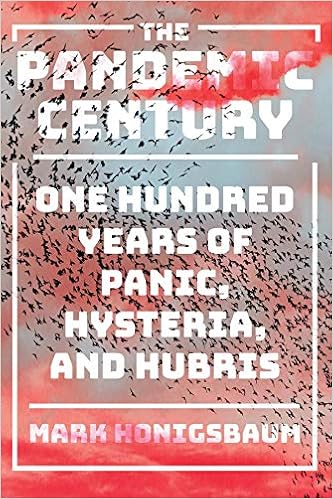
The guilty agent has never been identified, though typhus, anthrax, smallpox and malaria have all been blamed. The misery and death is not disputed, however. And thereby hangs a tale, says Mark Honigsbaum, a journalist and medical historian. As he reveals in this riveting, vivid history of modern disease outbreaks, there is nothing like armed insurrection to bring infectious mayhem to a continent.
Consider the recent examples of Liberia and Sierre Leone in west Africa. Decades of civil war and fighting had left both nations weak and under-resourced when an outbreak of Ebola in 2014 swept in, killing more than 11,000 people. This was a grim tally but by no means the worst, says Honigsbaum. “During world war one, the congregation of tens of thousands of young American recruits in training camps on the eastern seaboard of the United States and their subsequent passage to and from Europe provided the ideal conditions for the deadliest outbreak of pandemic disease in history,” he tells us. That outbreak was, of course, the flu pandemic of 1918, which killed a total of 50 million people worldwide and which has become a byword for “viral Armageddon”.
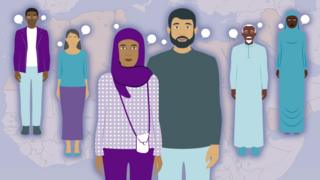
Arabs are increasingly saying they are no longer religious, according to the largest and most in-depth survey undertaken of the Middle East and North Africa.
The finding is one of a number on how Arabs feel about a wide range of issues, from women’s rights and migration to security and sexuality.
More than 25,000 people were interviewed for the survey – for BBC News Arabic by the Arab Barometer research network – across 10 countries and the Palestinian territories between late 2018 and spring 2019.
El corresponsal de EL PERIÓDICO Marc Marginedas vuelve al lugar donde estuvo secuestrado en Siria para realizar un documental dirigido por Albert Solé -elperiodico.com


 ✔@ieee_es