
September 28, 2025
Dear Educator,
As leaders gathered last week at the UN General Assembly (UNGA) to discuss some of the world’s most pressing issues and potential solutions, they also acknowledged that 2025 marks the eightieth anniversary of the UN Charter, which created the United Nations and, in turn, an international commitment to peace and security.
International law, human rights, and their violations were among the many issues discussed during the UN General Assembly. These issues, which are integral to the founding and operation of the United Nations, can be challenging to discuss in the classroom. We’ve created nonpartisan teaching and learning resources grounded in history to help you engage your students and facilitate respectful discourse about these and the many other pressing matters addressed last week.
Happy learning,
Caroline Netchvolodoff
Vice President, Education
Council on Foreign Relations
The UN General Assembly provides a forum for multilateral discussion of the full spectrum of international issues covered by the Charter of the United Nations. While the UN endeavors to facilitate international cooperation, the existing system is not perfect. Learn more about why this is a great teaching opportunity
If you want to learn more about the UN charter before diving into this topic with your class, read this piece by David J. Scheffer, a senior fellow at the Council on Foreign Relations, who served as senior advisor and counsel to the U.S. permanent representative to the United Nations and as the UN secretary-general’s special expert on UN assistance to the Khmer Rouge Trials.
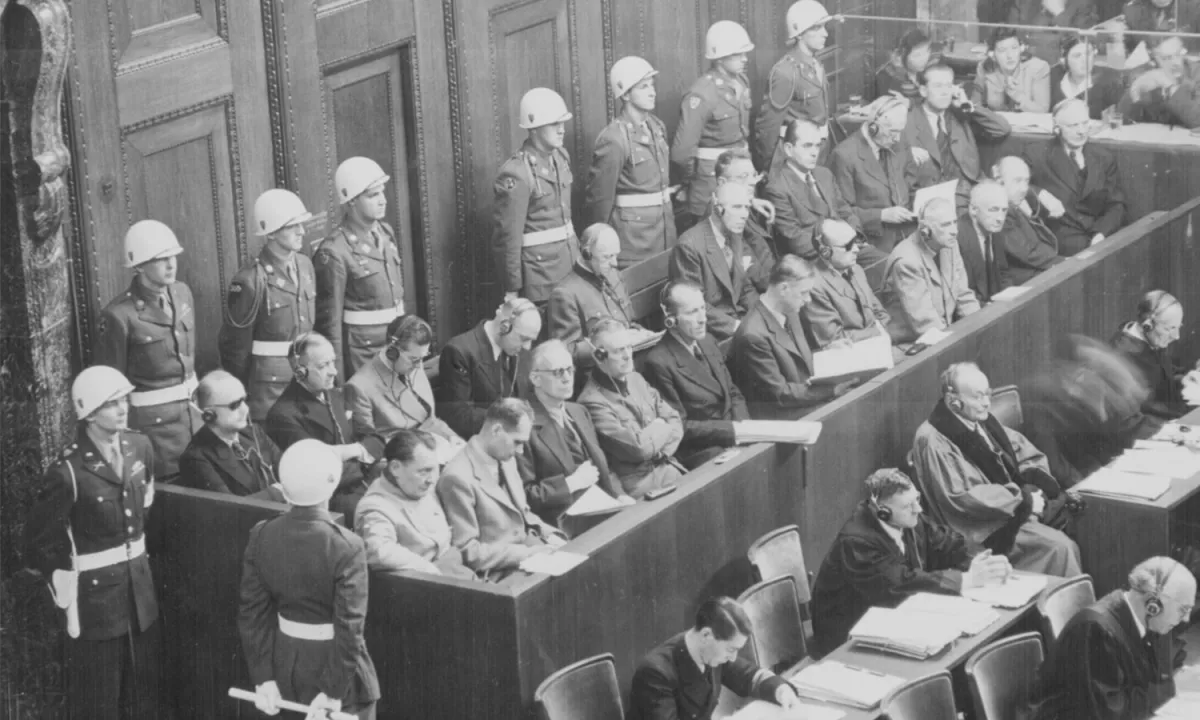
In 1946, the United Nations recognized genocide as a crime under international law, and two years later, it was defined in an international treaty: the Genocide Convention. The convention defined genocide according to five acts and classified it as a crime against humanity.
What is fascinating about this series of events is that they began from the efforts of a singular individual, a Polish law student named Raphael Lemkin, who was perplexed by the notion that no law existed to prosecute the mass killing of an ethnic group.
Use this reading to teach about the term’s history, how it is prosecuted, and examine why it remains one of the most contentious issues in international law and politics.
Related
NEW Activity: The «Genocide» Label and U.S. Foreign Policy
Turning Global Headlines into Teachable Moments