David Burnett is a photojournalist based in New York.
One of the filmmakers’ main justifications for the documentary, “The Stringer,” is that there needs to be truth, even uncomfortable truth, in all that we do as journalists.
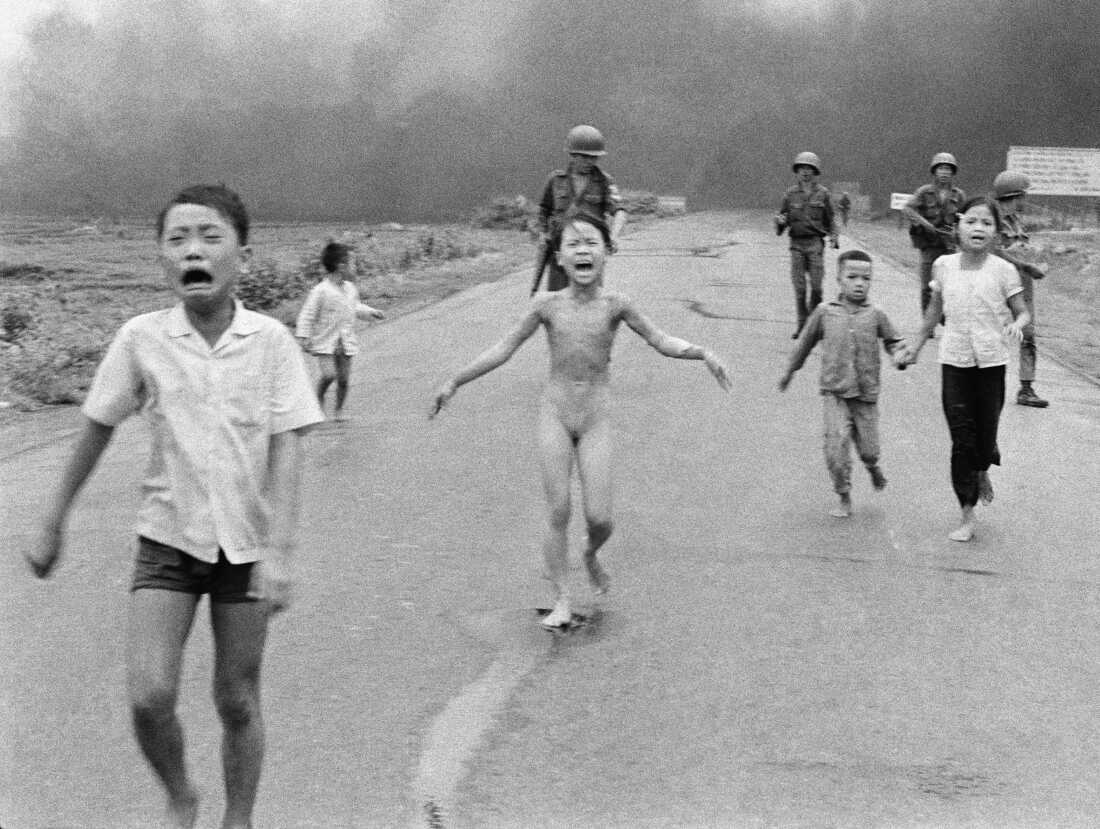
“The Stringer,” released in November on Netflix, documents an investigation by photographer Gary Knight into the provenance of the unforgettable 1972 photograph formally titled “The Terror of War,” but more commonly known as “Napalm Girl.” The searing image shows 9-year-old Phan Thi Kim Phuc running naked toward the camera in terror and agony — she had torn off her burning clothes — along with other children caught in an errant South Vietnamese napalm attack. Associated Press photographer Nick Ut won a Pulitzer Prize for the photograph, but the film posits that another person, a freelance stringer named Nguyen Thanh Nghe, actually took the photo, only to be inexplicably denied credit when an AP editor attributed it to Ut.
Of course we as journalists should always honor the truth. I am among only a handful of journalists still alive who were on the scene that day when the napalm strike led to so many civilian casualties and then the famous photograph. I chose not to participate in the making of “The Stringer” out of concern that the filmmakers were seeking to prove only a prior conclusion. (Several of my photos — initially shown to Knight in colleagueship and good faith — were used in the film without my permission or attribution, potentially creating the inaccurate impression that I agreed with the filmmaker’s viewpoint.) This is the truth of what I observed of a film intended to get at the truth.
…MORE
Related
The ‘Napalm Girl’ photo shocked the world. Now, there are questions about who took it (NPR)
World Photography Day: The story behind ‘Napalm Girl’ – and its link to 2025’s horror film ‘Weapons’ (Euronews)
‘Napalm Girl’ Was in the Photo. But Who Was Behind the Camera? (NYT)
Investigating claims around ‘The Terror of War’ photograph (AP)