

Beatriz Lecumberri✔@blecumberri
Gracias @RFI_Es por haberme dado el espacio en estos años para intentar contar. Este reportaje suena a despedida y lo es. http://www.rfi.fr/es/oriente-medio/20190916-israel-palestina-la-guerra-interminable …

19 septiembre, 2019
por Felipe Sahagún
Sin comentarios
19 septiembre, 2019
por Felipe Sahagún
Sin comentarios
18 septiembre, 2019
por Felipe Sahagún
Sin comentarios

ONU/Eskinder Debebe
Mario Villar (EFE)
Naciones Unidas, 18 sep (EFE).- El tira y afloja entre nacionalismo y multilateralismo, la tensión en el Golfo Pérsico, la guerra comercial y las políticas contra el cambio climático serán asuntos centrales en las reuniones que líderes de todo el mundo mantendrán la próxima semana en la Asamblea General de la ONU.
Estas son las claves de la semana grande de la diplomacia internacional:
LOS CRÍTICOS, PRIMERO
Paradojas de la vida. El próximo martes dos de los críticos más duros de la ONU tendrán el privilegio de abrir oficialmente los debates de la Asamblea General.
Siguiendo la tradición, Brasil dispondrá de la primera intervención, que en esta ocasión supondrá el estreno de Jair Bolsonaro en Naciones Unidas.
El líder ultraderechista cuestiona las políticas de cambio climático, ha chocado con el mundo por la Amazonía, ha sacado a su país del pacto de migración de la ONU y, en las últimas semanas, ha lanzado durísimos ataques personales a la alta comisionada para los Derechos Humanos de la organización, Michelle Bachelet. Continue leyendo →
18 septiembre, 2019
por Felipe Sahagún
Sin comentarios
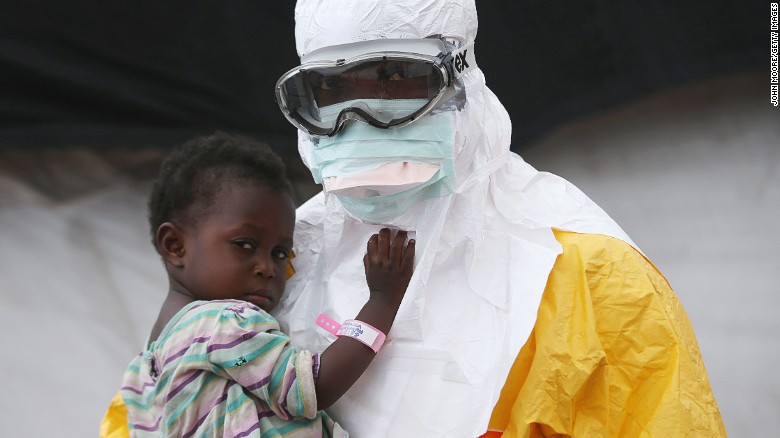
Updated 0832 GMT (1632 HKT) September 18, 2019
The chances of a global pandemic are growing — and we are all dangerously under prepared, according to the World Health Organization (WHO).
17 septiembre, 2019
por Felipe Sahagún
Sin comentarios

Frequently on The Listening Post, we are warned about getting too close to the story. Like a lens that zooms in too close, there is always a danger that proximity blurs our vision.
Yet, zoom-in we did, to a blurred image of fighter jets bombing La Moneda, Chile’s presidential palace on September 11, 1973. That image may have made front pages around the world, but in Chile, media coverage of the military coup led by General Augusto Pinochet, was kept to a bare minimum.
One of those papers was the country’s conservative daily, El Mercurio, whose headline simply stated: «The military now controls the country.» This was an outlet that did not just report on the story, but had become an integral part of it. Continue leyendo →
17 septiembre, 2019
por Felipe Sahagún
Sin comentarios

