
#Kosovo’s open wounds, twenty years on -by Philippe Descamps https://mondediplo.com/2019/03/17kosovo-dossier … v @LMDiplo

24 marzo, 2019
por Felipe Sahagún
Sin comentarios
#Kosovo’s open wounds, twenty years on -by Philippe Descamps https://mondediplo.com/2019/03/17kosovo-dossier … v @LMDiplo
24 marzo, 2019
por Felipe Sahagún
Sin comentarios

24 marzo, 2019
por Felipe Sahagún
Sin comentarios

The series of attempted mail bombings and the deadly shooting at a Pittsburgh synagogue this month have once again raised the specter of hate and terrorism in the United States. As public debate intensifies, it is important to understand what the terms “terrorism” and “hate crime” actually mean and why these definitions matter. For instance, both types of crime can carry harsher penalties than other similar violent acts. Both are also symptoms of deep social and political stress, as history has shown. Only once these crimes are appropriately labeled can Americans grapple with their origins. Continue leyendo →
23 marzo, 2019
por Felipe Sahagún
Sin comentarios

Committeee to protect journalists (CPJ) made public the digest “The last column”, gathering the last works of the journalists killed. Marie Colvin, Samir Kassir, James Foley, Shujaat Bukhari, Pavel Sheremet, Anna Politkovskaya, the list is long. Since 1992, 1337 journalists in the world had been killed in the line of duty.
The online digest contains as well video memories of family members, friends and colleagues of the victims who described them.
The online digest is to be updated with new names of other journalists in the future.
23 marzo, 2019
por Felipe Sahagún
Sin comentarios
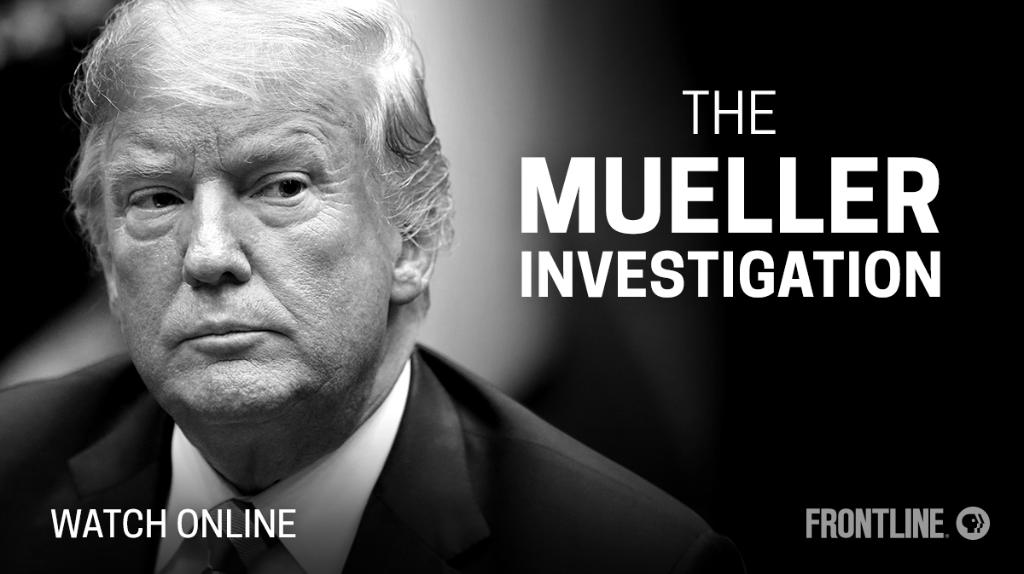
La investigación del fiscal especial Mueller. Documental de @frontlinepbs Dur: 52:43: …
The Meaning of the Mueller Report (@nytimes editorial, March 22, 2019)
Mueller investigation, by the numbers; – More than 2,800 subpoenas – Nearly 500 search warrants executed – About 500 witnesses interviewed – 13 foreign governments asked for evidence
23 marzo, 2019
por Felipe Sahagún
Sin comentarios

Many people are concerned that the news media is exacerbating a polarisation of people’s attitudes across Europe. This report reviews and summarises the recent available literature connecting polarisation and the news media.
The key findings that emerge from this literature are as follows:
This report was written for the European Parliament’s Panel for the Future of Science and Technology (STOA).
Authors

Dr Richard Fletcher

Dr Joy Jenkins
