Dear Educator, A government’s foreign policy decisions greatly impact the world that students know, but how much do they understand about the process behind that decision making? CFR Education offers a collection of teaching and learning resources that explain this process and explore the range of tools that policymakers leverage to influence other countries, advance their interests, and ensure national security. These resources include mini simulations which offer hypothetical scenarios that put your students into the roles of decision-makers on the U.S. National Security Council (NSC) and are a great way to facilitate nonpartisan policy debates in the classroom. In this newsletter, we explore engaging resources, including: Happy learning, CFR Education |
|
|
High school educator tip: This classroom activity asks students to discuss the role of the President, Congress, and the National Security Council in shaping U.S. foreign policy. |
|
|
Governments have various tools at their disposal to conduct foreign policy—each with its own advantages and disadvantages. Share this introductory video to your class to show the full suite of foreign policy tools that governments have at their disposal. Then have your students watch this case study video to help them understand how policymakers decide which tools to use and how they manage the tradeoffs. Keep reading to explore mini simulations that can be used to engage your students when discussing three key tools of foreign policy. |
|
|
The tools that governments use to extend their influence can be classified as either hard power or soft power. Hard power is demonstrated through coercive actions like military force and economic sanctions, while soft power is demonstrated through music, food, sports, and other cultural exports. Soft power often originates outside the government in places like schools, religious institutions, and charitable groups, but that doesn’t mean governments are absent from cultivating and wielding it. Learn about how governments exercise soft power. |
|
|
Mini simulation: Growing anti-American sentiment worldwide |
In this mini simulation, students role-play the NSC to develop a strategy in response to declining global favor of the United States. What, if anything, should be done to bolster U.S. soft power? |
| |
|
Higher Education tip: Read this post by author Joshua Kurlantzick to understand one perspective on the importance of American and Chinese soft power. |
|
|
What is Economic Statecraft? |
Economic statecraft describes the various economic tools countries use—such as lending, foreign assistance, sanctions, and trade agreements—to advance their foreign policy priorities. Some of these economic tools, such as sanctions, exert influence coercively, while others exert influence by improving diplomatic relations and cooperation. Since the early 2000s, China has utilized economic statecraft to bolster its policy interests, particularly through the Belt and Road Initiative (BRI). Explore this tool of foreign policy with China’s BRI as a case study. |
|
|
Mini simulation: Climate change induced famine |
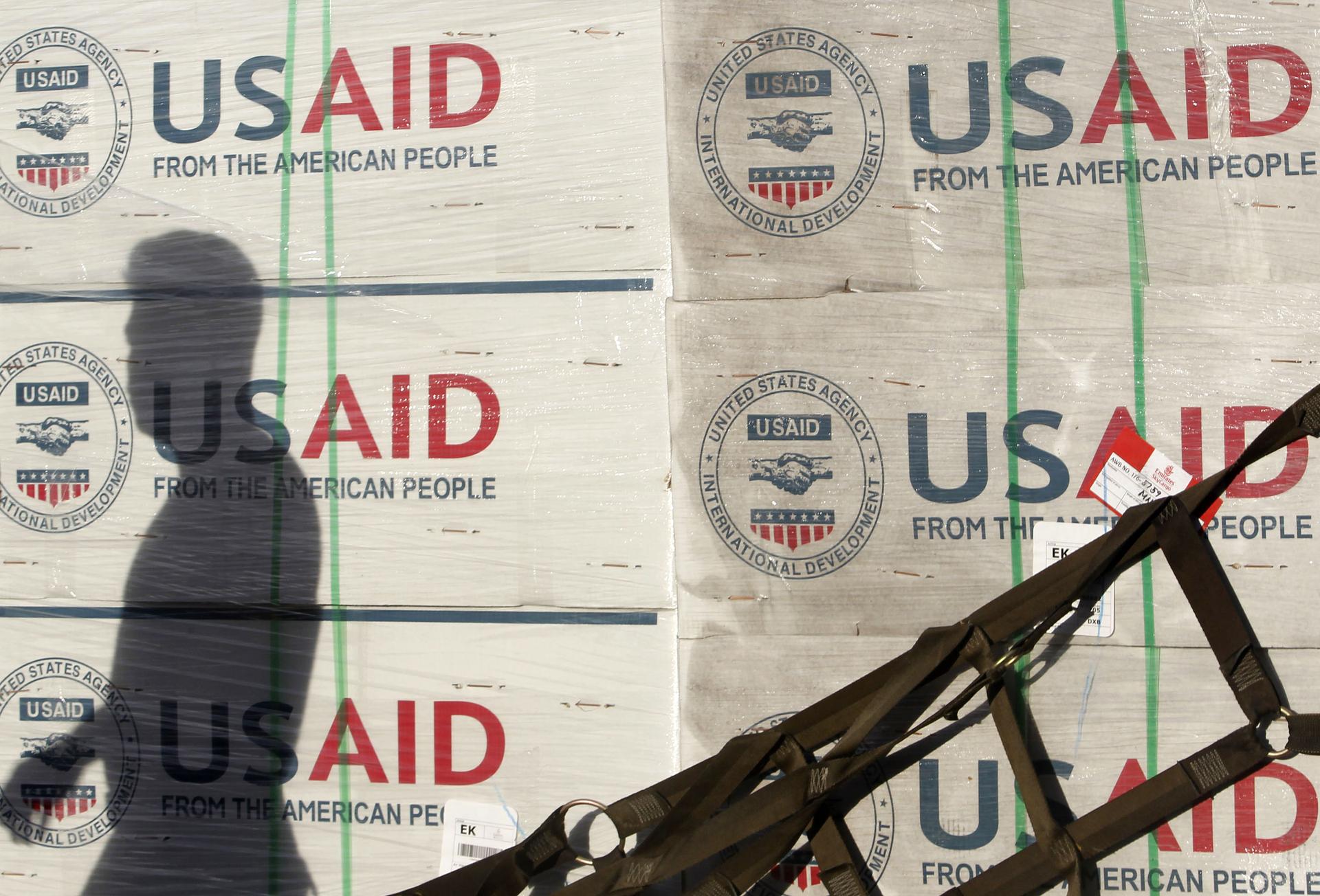
Deciding if and how the United States should provide foreign assistance to a country experiencing famine and economic hardship is no simple task. As members of the NSC, have your students weigh key factors with this mini simulation. |
| |
|
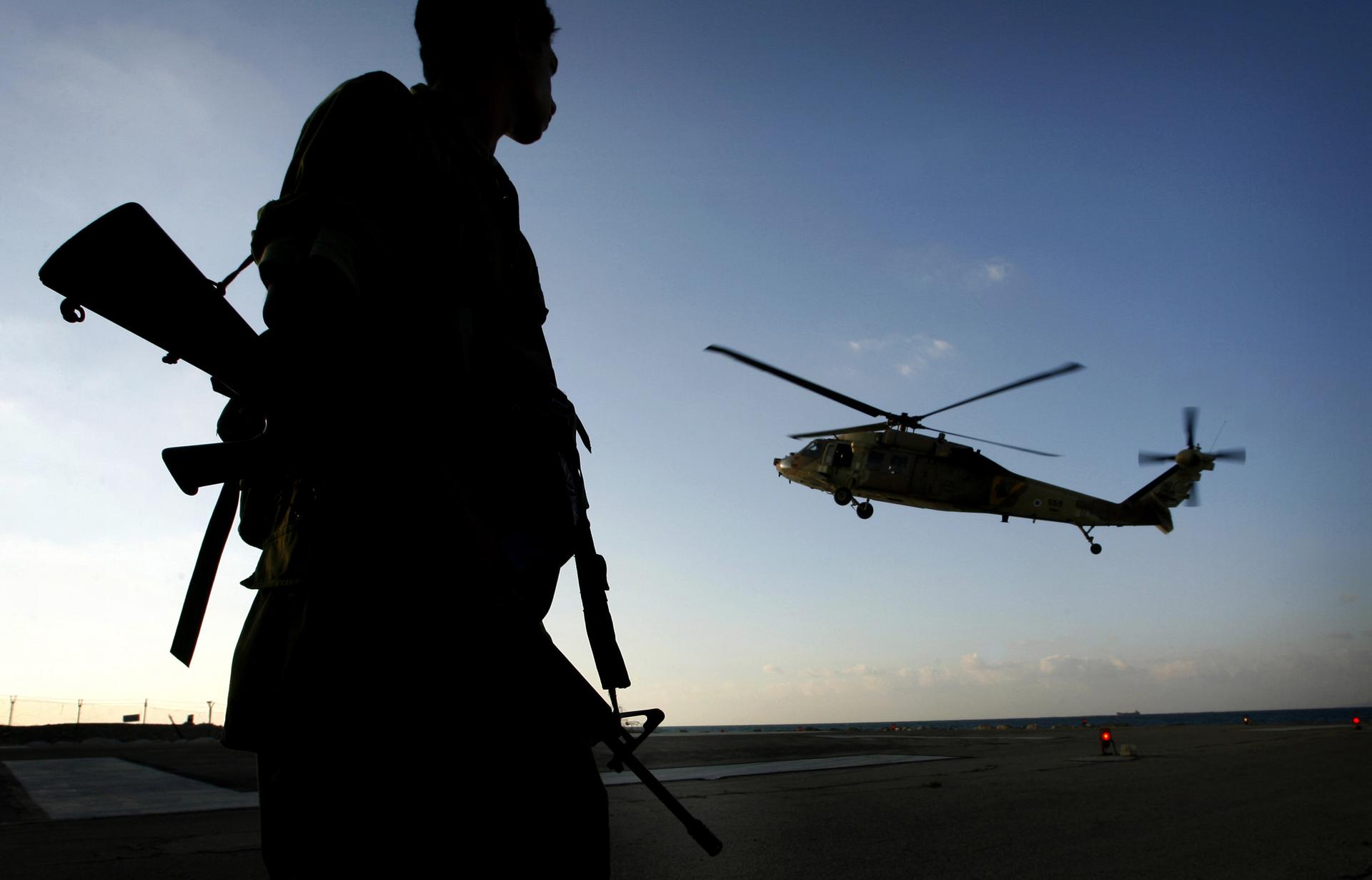
Armed force encompasses using or threatening violence to influence a situation. Although it is often a policymaker’s most powerful tool, its significant costs and associated risks mean it is frequently a last resort.Learn about the objectives and forms of this foreign policy tool. |
|
|
Mini simulation: Humanitarian crisis abroad |
In this scenario, students are tasked with helping the president decide if armed forces are an appropriate response to a humanitarian crisis erupting from a country in a civil war. |
| |
|
Educator tip: Use the Council on Foreign Relations’ Global Conflict Tracker to explore current cases of armed conflict. |
|
|
Explore More Mini Simulations |
Looking for more ways to teach about tools of foreign policy? Check out the rest of this set of mini simulations: |
|
|
Related
We hope these resources will help you equip your students with the skills to understand the ongoing trade war and how this issue directly affects their daily lives. Happy learning,
Caroline Netchvolodoff . Vice President, Education. Council on Foreign Relations