
Plan de Trump pour Gaza : les impératifs d’une paix encore insaisissable (Editorial)

Why peace in the Middle East may still be elusive (Gideon Rachman, FT)


14 octubre, 2025
por Felipe Sahagún
Sin comentarios
13 octubre, 2025
por Felipe Sahagún
Sin comentarios
Submitted in total fulfilment of the requirements of the degree of Doctor of Philosophy October 2011 School of Culture and Communication The Faculty of Arts The University of Melbourne
ABSTRACT This thesis considers the relationship between television foreign correspondents and their locally-hired ‘fixers’ in order to ascertain the centrality and significance of this relationship in facilitating international news production. The design of this research project, with its emphasis on news production practice, was guided by scholars in the sociology of news tradition, such as Jeremy Tunstall, Michael Schudson, Stephen Reese, Pamela Shoemaker and Simon Cottle. Continue leyendo →
13 octubre, 2025
por Felipe Sahagún
Sin comentarios

Dear Educator,
Today, the world is home to nearly two hundred countries, and these countries can choose the rules that govern their society. This concept might seem like a given; of course, countries can decide what happens inside their borders, but it wasn’t always this way. In fact, this concept called sovereignty is still widely debated.
Keep reading to discover more resources on sovereignty, how countries violate it, and three case studies that can help you explain this concept to your students.
Happy learning,
Caroline Netchvolodoff
Vice President, Education
Council on Foreign Relations
12 octubre, 2025
por Felipe Sahagún
Sin comentarios
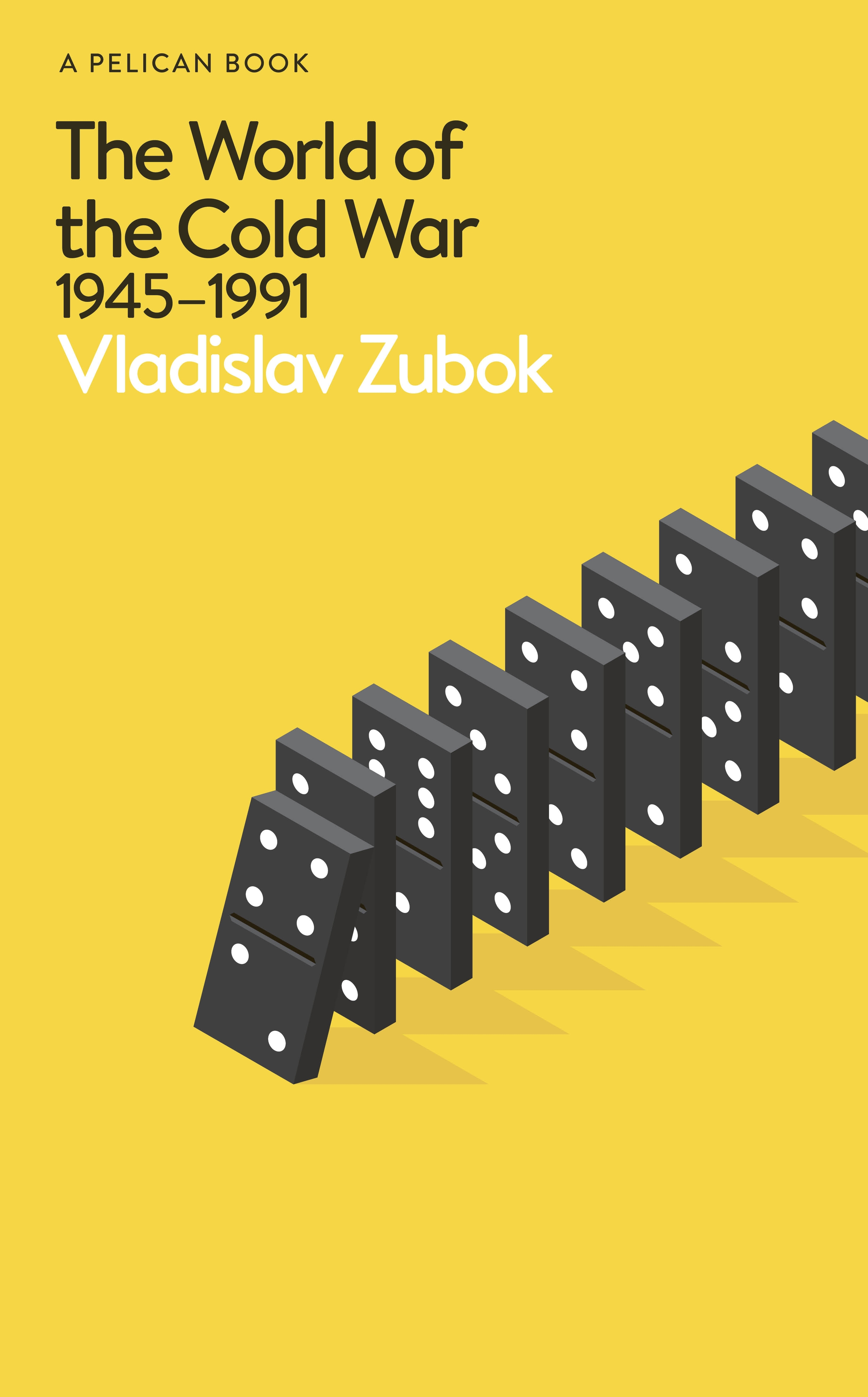
A sweeping, original history of the Cold War, from an acclaimed historian of the USSR
Why did the Cold War erupt so soon after the Second World War? How did it escalate so rapidly, spanning five continents over six decades? And what led to the spectacular collapse of the Soviet Union?
In this comprehensive guide to the most widespread conflict in contemporary history, Vladislav Zubok traces the origins of the Cold War in post-war Europe, through the tumultuous decades of confrontation, to the fall of the Berlin Wall and beyond.
With remarkable clarity and unique perspective, Zubok argues that the Cold War, often seen as an existential battle between capitalist democracy and totalitarian communism, has long been misunderstood. He challenges the popular Western narrative that economic superiority and democratic values led the USA to victory. Instead, he looks beyond the familiar images of East-West rivalry, shining a light on the impact of non-Western actors and placing the war in the context of global decolonization, Soviet weakness and the accidents of history. Here, he interrogates what happens when stability and peace are no longer the default, when treaties are broken and when diplomacy ceases to function.
Drawing on years of research and informed by Zubok’s three decades in the USSR followed by three decades in the West, The World of the Cold War paints a striking portrait of a world on the brink.
Review in London Review of Books
12 octubre, 2025
por Felipe Sahagún
Sin comentarios

Today is Spain’s National Day. See the country’s infographic here.
11 octubre, 2025
por Felipe Sahagún
Sin comentarios

Test yourself on the week of Oct. 4: France’s PM resigns (again), Israel-Hamas negotiations begin (again), and Gen Z protests rage in Madagascar (still).

