
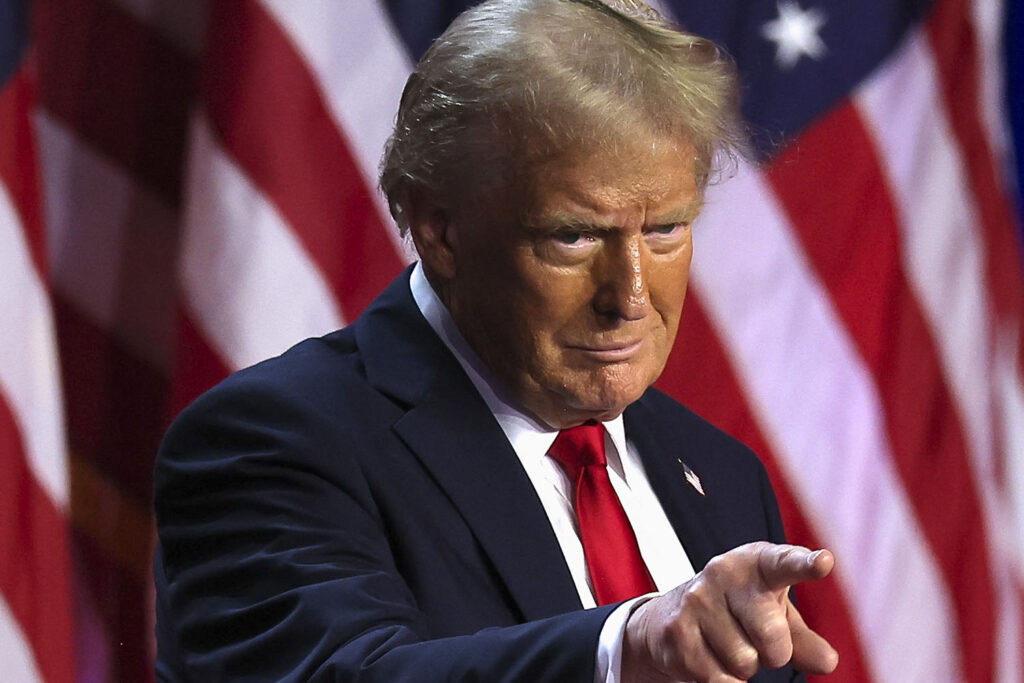
Get ready for the sequel. On November 6, the Associated Press declared Donald Trump the winner of the 2024 US presidential election. A transition now kicks off as world events continue to churn. When he returns to the presidency on January 20, Trump’s inbox will be full of global challenges. How will he respond? And what will the consequences be? Below, our experts provide answers across twenty-four of the most significant policy matters awaiting the next administration.
The greatest national security threat to the United States, its fellow NATO members, and other US allies is the increasingly aggressive partnership of Russia, China, Iran, and North Korea. The focal point of this threat is Ukraine, where Russian President Vladimir Putin’s war of conquest is just a prelude to more provocations and, potentially even war further west, against NATO’s eastern states. A victory in Ukraine for Russia, which is now bolstered by North Korean troops soon to be fighting in Europe, will encourage a Chinese move on Taiwan.
It is not clear that Trump fully acknowledges this challenge. But whether he understands it or not, his administration will have to deal with it and its most dangerous point of confrontation: Ukraine. It is difficult to anticipate Trump’s policy on the war because his team contains personnel with very different views. One group advocates sharply reducing aid to Ukraine—a view many associate with Trump. This group is naive about the Kremlin’s policy toward the United States—Putin states plainly that the United States is adversary number one—and clueless about the danger of a Kremlin victory in Ukraine. The other camp recognizes the threat to US interests in Europe and elsewhere if Washington were to abandon Ukraine. This group would pursue a Reaganesque policy of peace through strength and, unlike the Biden team, not be intimidated by Putin’s nuclear bluster. The first clues about Trump’s policy will be the appointments he makes to senior national security positions.
—John E. Herbst is the senior director of the Atlantic Council’s Eurasia Center and a former US ambassador to Ukraine.